The A(FC) Team.

I’ve been meaning to write this short ‘shout-out’ post ever since I joined the team.  Definitely better late than never though, especially since Action For Conservation are very much in their infancy: they’ve fledged the nest, but aren’t yet soaring over the human-dominated matrix that blankets much of England.

Action for Conservation (the AFC team) was born out of Oxford University’s MSc. in Biodiversity, Conservation and Management, when several astute and enthusiastic graduates, and their young-professional friends, observed a large gap in environmental education in UK secondary schools.  Along with the curriculum cavity in teaching, the neglect of exposing students to ‘nature’ (whatever that is exactly), the lack of explaining the complexity of environmental change and anthropogenic impact, there seemed little to no opportunity for young people to learn how to get involved in conservation themselves, whether as a volunteer or as a professional.  Do students even know what conservation means?  Do you have to spend most of your time smelly and in trees to be a conservationist?  Or live in Africa with lions?

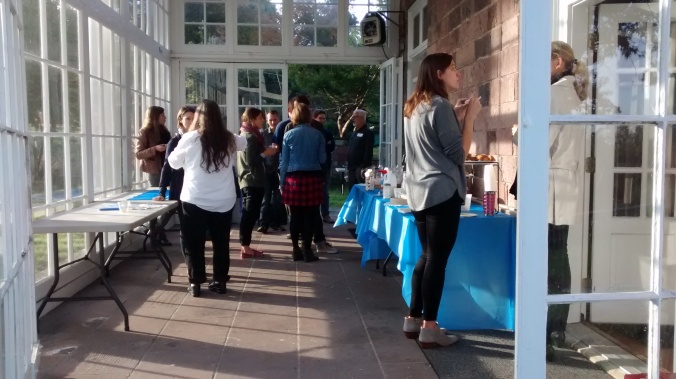
Nope.  And these are some of the common misconceptions the AFC Team are trying to rebuff.  With only one paid member of staff (an excellent, hardworking one at that, Ms. Huggett), the majority of the educating is done by a team of volunteers (AFC Gurus, e.g.), themselves young professions somehow involved in conservation work.  I am honoured to be one of these.  We go into secondary schools (or forests) across the country and run an hour to three hours workshop where the students generally spend more time pretending to be a Lynx than sitting down on their bottoms.  Our aim is to have them able to answer these three questions by the end of the fun-shop:

  1. What is conservation?
  2. What range of different careers, jobs, hobbies, games, food choices, local activities….come under the conservation umbrella?
  3. How can I get involved in conservation?

Once they’ve realised that sitting on the floor won’t kill them, that peat is not disgusting, and that it’s as cool to know about hockeystick fish as it is about Justin Bieber, they become captivated by the words coming from these enthusiastic, sometimes bearded, young mouths.

Conservationists are so cool, they think, I hope.

If you’re a budding AFC Guru, or would like to get involved in any way, do get in touch with the team by emailing info@actionforconservation.org or follow them on Twitter (@Action4Conserv).  And to whet your appetite, here is the inspiring January 2016 Newsletter.  I support this initiative 100% and am so happy to be involved.  This AFC Team has a vital mission: to spread a passion for the natural, and semi-natural world, and instill in people a responsibility to sustainably manage it NOW.  And who better to start spreading the message to than the ones who still know how to listen, them kids.

C-PEAT inauguration

Here is a brief report I wrote for the UK Tropical Peatland Working Group (TPWG) blog last week, on the recent C-PEAT meeting convened at Columbia University in New York, for which I was honoured to attend as an early career scientist.

About a month ago, from the 11th to 13th October, 52 scientists met at the Lamont-Doherty Earth Observatory at Columbia University in New York, to discuss peat.  The meeting was convened by Zicheng Yu from Lehigh University in Pennsylvania, who was responsible for garnering support for this working group of PAGES.  The newly fledged C-PEAT, Carbon in Peat on EArth through Time, aims to bring together peat scientists from across the world and from a range of disciplines, to answer questions about how carbon in peatlands has changed throughout the past and how it might vary into the future.  I was fortunate enough to attend the meeting, along with Ian Lawson and various others that have or are still working with the UKTPWG, including Outi Lähteenoja.  Here is a brief report of the meeting.

C-PEATColumbia.JPG

The meeting crew, getting the C-PEAT ball rolling.

The main questions that led discussions during the workshop were:

  • Why is there peat?
  • How much and how fast can peats accumulate?
  • What will happen to peat in the future?

By the end of the three days, I think we were closer to knowing more clearly about what we don’t know, than to actually answering these questions!  But we exchanged a huge amount of new information in the process, some of which I’ve reported on below, under each question.

Why is there peat?

We spent one break-out session seeing if we could provide new insights into what the critical controls on peat formation might be.  After learning from the talks about the huge range of peatlands present today and during the past, from the diverse forested swamps of Papua New Guinea, to the high-altitude Andean ‘cushion’ peats, to the organic-rich sediments buried under glacial tills in Canada, all with their differing physical parameters, this proved challenging.  As did attempts at making generalisations about peat formation through time; time being hundreds of millions of years.  One scientist aptly commented that “coal is carbon; peat is water”, which helps to explain part of the picture!  There were a number of discussions about deep-time peats and coal, and whether we could make inferences on their development dynamics based on more recent peat formations.  A work in progress (by the Deep-time andBuried Peats Thematic Groups).

How much and how fast can peats accumulate?

What are the differences/similarities in peat accumulation rates along different temporal and spatial gradients?  Answers on a postcard please.  In a very interesting presentation, René Dommain, Smithsonian Institute, presented on tip-up pools in tropical peatland ecosystems and the importance of considering them when interpreting age-depth modelling and peat accumulation dynamics.  Rene’s fieldwork focused on the coastal peat domes of Brunei, but some other spectacular and more unexpected domes and craters were brought to everyone’s attention:

*Numbers not verified – may have passed through multiple Chinese whispers.

IMG_20151013_083842025.jpg

Breakfast chats (about peat?!) in the sunshine, at the Lamont-Doherty campus of Columbia University.

What will happen to peat in the future?

Where will new peat formations arise?  Where will peats disappear?  And where will they persist?

Will bogs persist with greater frequency than fens?  Nigel Roulet, McGill University, presented on the greater resilience of bogs compared to fens, with bogs maintaining hydrological independence from the surrounding environment and therefore being more able to resist the potential impacts of climate change.  Jeff Chanton, Florida State University, talked about the SPRUCE mega-project he’s involved with, in the Marcell Experimental Forest in Northern Minnesota, which is attempting to monitor how temperate peatlands respond to changes in climate.  Watch this space for the release of the experiment’s findings.

Ian Lawson, University of St. Andrews (and key member of the UKTPWG), presented on what we know about the tropical lowland peatlands of the Peruvian Amazon.  He also talked about the threats to their persistence, one of which was an unlikely suspect: aboveground carbon maps, which demonstrate the relatively lower standing carbon stocks in peatland areas compared to in terra firme forests, and fail to illustrate their rich belowground carbon store.  Ian highlighted the danger of these maps being used in land use decision-making in Peru, potentially erroneously directing forest conversion to these carbon rich areas.  And these peatlands don’t have the emotive conservation pin-up that their Southeast Asian relatives have.

Steve Frolking, University of New Hampshire, presented an analysis on carbon losses from tropical peatlands under different land use change scenarios into the next 50 years.  An interesting desk-based exercise that warns of the strong emissions legacy of the peatland management practices that are pervasive across much of Southeast Asia now.

One major area of peatland that we still know so little about was sadly not represented at the meeting: the peat swamps of Central Africa.  Perhaps that gap can be filled by members of this group at the next meeting.  There was also a distinct lack of anyone named Pete there.

As we move into the Anthropeatscene (!), we need to consider exactly what and where the threats to peatland persistence are.  And what the opportunities are for peatland conservation.  I’m sure everyone is aware of the fires that have been raging in Indonesian peatlands over the last few months (if not, look at this and this previous post), exacerbated to a great degree by unsustainable peatland management.  One big question the workshop considered was: what unique contribution can C-PEAT make as a group to peatland science and conservation, in both the tropical and temperate zone?

If you have the answer, or indeed any answers to the questions above….or are working on them, do join the C-PEAT mailing list by signing up here.

NHS for Soils needed!

Every month, the Parliamentary Office of Science and Technology releases several publications, known as POSTnotes, that aim to provide an easily digestible overview of research in different areas of science and technology, as a tool for policy makers.  One released this month is all about securing UK soil health, in additional to the principally-important parts about peat.  I’d definitely recommend reading it if you’re interested in learning of the current status and threats to this ‘renewable resource’.

Renewable is a slightly misleading word.  Peat is a renewable resource if we wait about 3,000 years between harvests.  Fossil fuels could also be renewable if we could hold off popping the kettle on again for another 300 million years or so.  There should probably be a time frame attached to each use of renewable, and a conservative one at that, based on the Precautionary Principle.

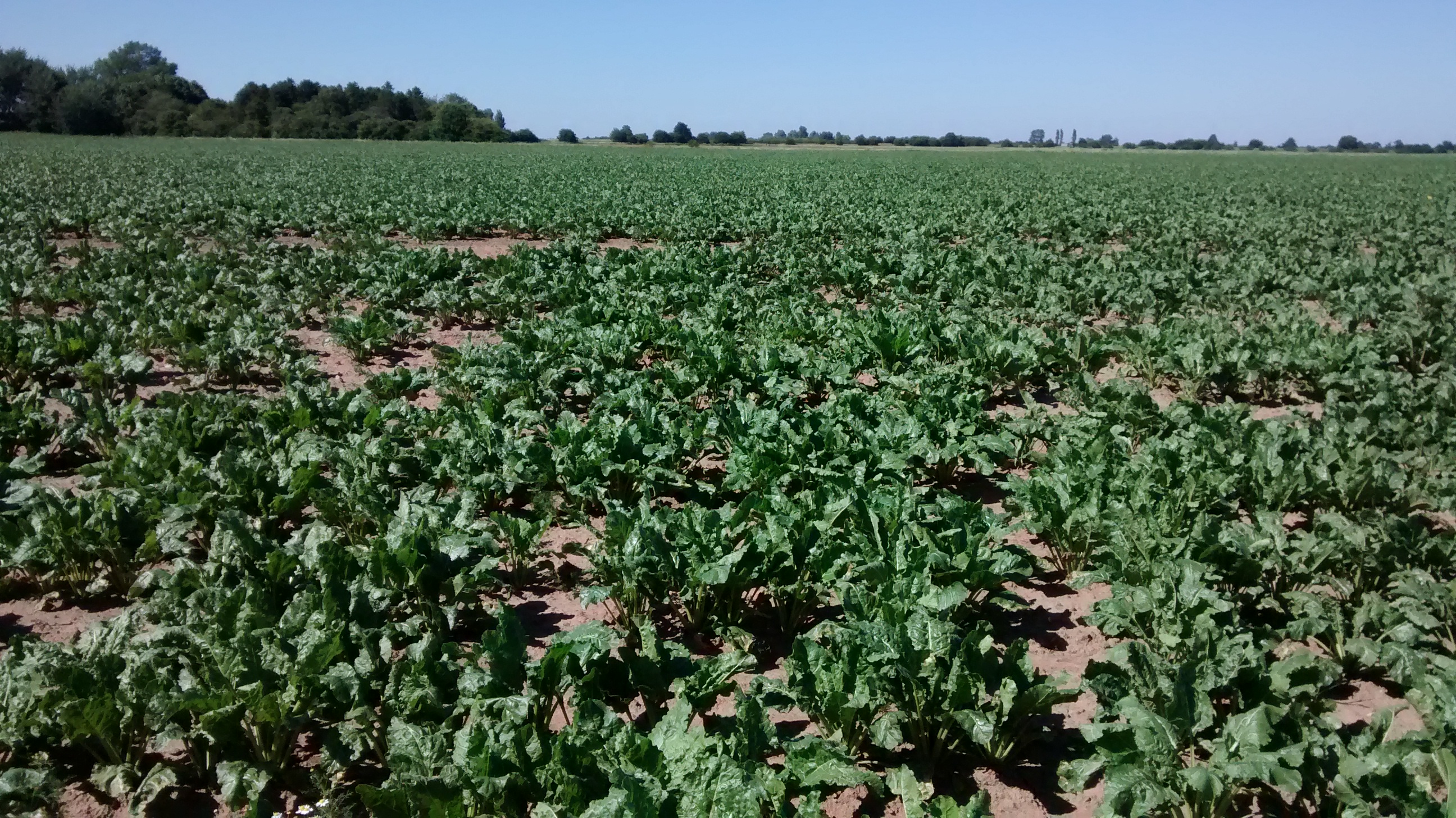
A maturing sugarbeet field in East Anglia.

A maturing sugar beet field in East Anglia.

We basically need some, or even one coherent and policeable policy that governs sustainable soil management in the UK (and Europe), so that we can adhere to the Government’s plan to “grow more, buy more and sell more British food” over the next 25 years.  The world needs our sugar beet and broad beans.  And we all so desperately need our soils.

Caged.

Every so often, the legend that is Corey Bradshaw publishes a Cartoon guide to biodiversity loss.  This one made me especially sad.  Perhaps because I saw several great people of the trees, stretching between bars in 4x4m round cages that they had been in for 20+ years, almost non-stop, in an orangutan care centre in Pangkalan Bun, Central Kalimantan, last year.  They didn’t have a home to go back to, and couldn’t be let out into the small patch of enclosed forest that the smaller orangs could hang around in during set ‘play’ times, in case they caused a problem.  Did we not cause their problem?

Retreating from peat!

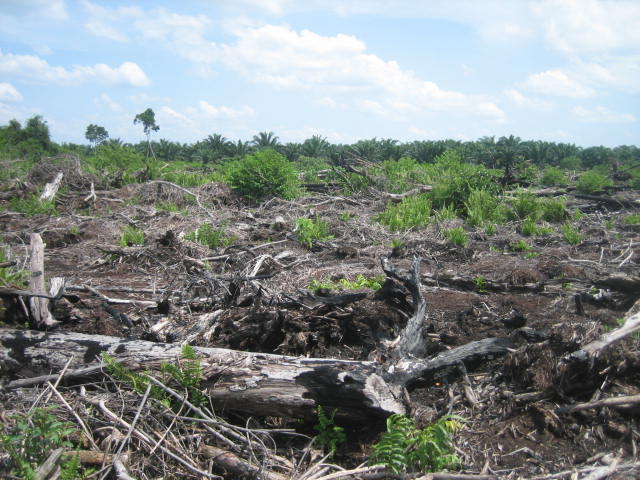
A degraded tropical peatland in Borneo, with an approximately five year old oil palm plantation in the distance.

A deforested and drained tropical peatland in Borneo, with an approximately five year old oil palm plantation in the distance.

(I also just published this on the UK Tropical Peatland Working Group website.  Worth a quick gander!)

Asia Pulp and Paper (APP) has decided to ‘immediately retire’ approximately 7,000 hectares of its acacia plantations in Indonesia, with the goal of restoring them to intact peat swamp forest and developing a peatland best management practice model.  This is a bold move, forfeiting profits to comply with their Forest Conservation Policy (FCP).  Just over a year ago, they proved to be conservation forerunners again, (loudly) announcing to ‘protect and restore’ one million hectares of forest.  These come as welcome actions from APP, after it spent many years (and still is?) leading the deforestation frontier across Sumatra and Kalimantan, replacing hugely diverse ecosystems with monoculture plantations, and draining many a peatland along the way.

As Wetlands International say, there’s still a long way to go before APP can claim to be conserving, rather than destroying peatlands.  For example, how do they plan to rewet the peatlands?  What species are they going to plant into the current monocultures, and when?  How will they manage fire risk (heightened this year by ENSO) and potential flooding?   What will be the likely carbon emissions under different restoration strategies?  These are all important questions that researchers can help to answer.  Members of the UK Tropical Peatland Working Group are certainly on the case (watch this space).

But APP have given us a goal to hold them accountable to….and we must.

More information on the restoration mission from Deltares, APP’s independent peat expert team, can be found here.

Peat’s muddy past

Today, at some point, the Special Feature on Forest resilience, tipping points and global change processes will be published by the Journal of Ecology.  With some tweeking, I managed to get an article accepted in it, showcasing the work I presented at the symposium of the same name at INTECOL, back in 2013.  And here is the article I wrote to accompany it, freshly posted on the Journal’s blog.

Unashamedly, this post is all about peat!  More on Tanzania very soon though, when I find time in between Christmas preparations and gluttony.

****

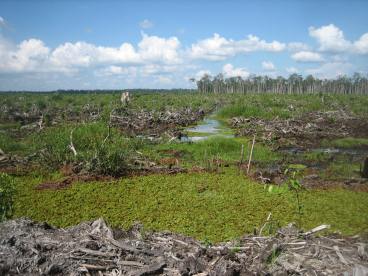
What is so special about peat?  To the untrained eye, these ecosystems appear as desolate swamps, with limited value, biodiversity- or other-wise.  To the seasoned wetland ecologist, the more apt question is what isn’t special about peat?  These long-neglected ecosystems are vital reservoirs of fresh water for us thirsty humans; they contain ten times as much carbon as all of the world’s forests, whilst occupying only 3% of the Earth’s surface; and house a rich diversity of species found nowhere else.  Yet as we begin to learn more about the world’s peatlands, we master the technologies needed to exploit them rapidly and irreversibly (Fig. 1).
IMG_2363

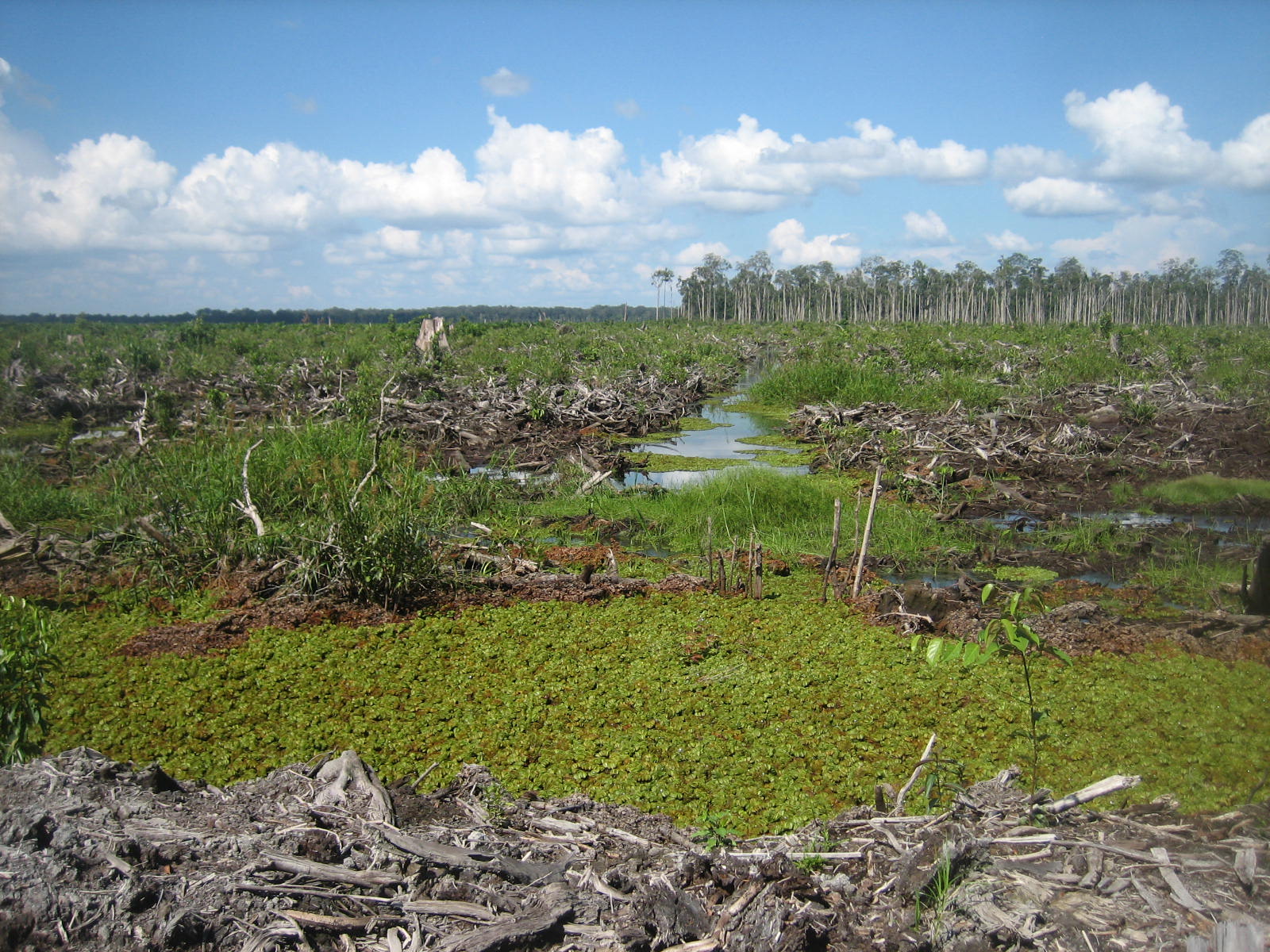
Fig. 1      A drained peatland in Indonesian Borneo, with young oil palm plants in the foreground and heavily degraded peat swamp forest in the background.

To be scientifically accurate, the irreversible component of peatland conversion is an assumption, wanting of sufficient evidence from “the field” due to the recent nature of large-scale exploitation.  But any ecosystem we see today is a product of its evolving past; a period over which it has encountered disturbances and presented a response.  From these patterns of responses, we can measure the resilience of the ecosystem (Cole et al., 2014) and develop hypotheses as to how it may respond to future disturbances.  In its simplest form, resilience is described as the ability of an ecosystem to maintain its structure and function despite perturbation (Holling, 1973).

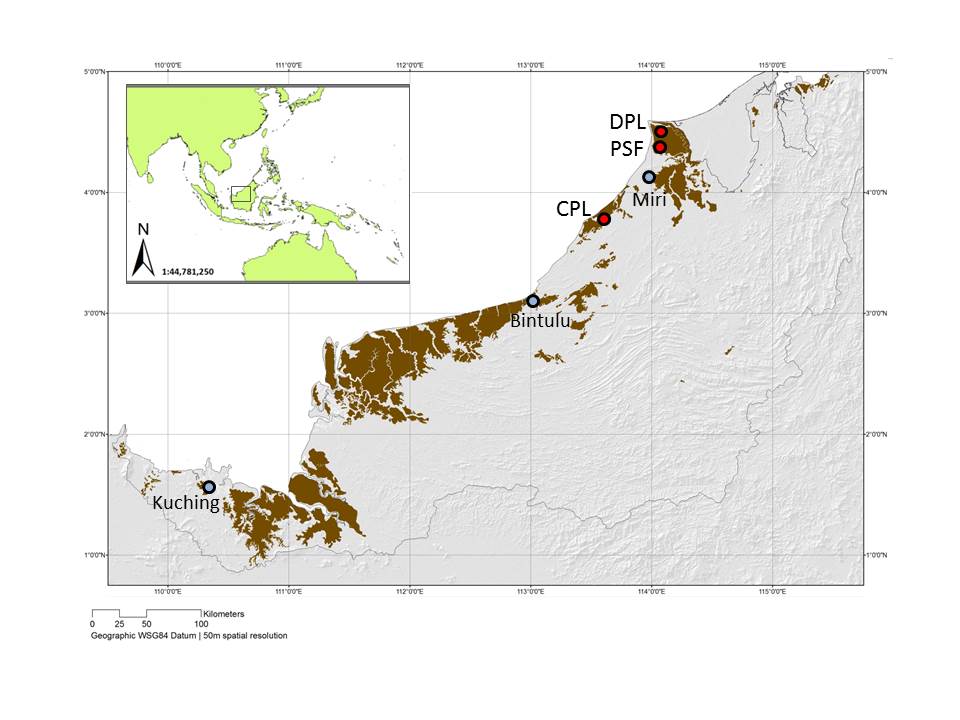
How resilient are peatlands?  Specifically, how have the tropical peat swamp forests of Southeast Asia responded to disturbance in the past?  We sought to answer these questions for the coastal peatlands of Sarawak, in Malaysian Borneo (Cole et al., 2015) (Fig. 2).

The plug is rapidly being pulled on these sweaty, mosquito-ridden jungles as industrial-scale agriculture spreads like wildfire across the region.  Dipterocarp forests, rich in a variety of fruit-bearing trees, ‘black-water’-adapted fish and nimble mammals, are being drained, flattened and converted into monoculture landscapes where oil palms (Elaeis guineensis) can quickly bring economic profit to even the inexperienced farmer.  Though wild-fires themselves are in fact a rare phenomenon in intact peatlands, the recent elevation in burning has been blamed primarily on the recent expansion of agriculture, and brought huge environmental, health and political challenges to the region.  But how frequent were fires in the past?  And what impact did they have on the vegetation?

Unlike in the temperate zone, tropical peat swamps are naturally forested.  It is the pollen grains and fern spores produced by this vegetation that provide the answers to our questions and insights into the resilience of these ecosystems.  Fossilised grains, deposited tens to millions of years in the past, are one of the primary datasets available in palaeoecology.  Often referred to as (the less archaic-sounding) long-term ecology, the discipline extends the scope of ‘short-term’ ecology through using deposited remains to study plants and animals and their interactions with the environments of the past.

We used pollen grains, fern spores and fossil charcoal to explore drivers and impacts of disturbance in three peatland areas in northern Borneo.  Peat cores were collected from three coastal sites in Sarawak (Fig. 2), where peat extends over approximately 13% of the States’ land surface.  The depths of the cores ranged from c. 1.5 to 3m, and radiocarbon dating of sediment samples from each demonstrated that they covered a period of 2000 to 7000 years before present (BP).

Sarawak_peatlands_map_division_labels_revised_JoE

Fig. 2      The three degraded peatland sites (red circles; DPL, PSF & CPL) from which cores were collected for this palaeoecological study, in Sarawak, Malaysian Borneo.  Sarawak’s peatlands are shown in brown and its major towns in blue.

Once I’d spent many more hours than I’d like to remember counting and identifying microscopic pollen grains, I was able to look for answers to our key research questions:

  • How has the vegetation in these peatland ecosystems changed through time?
  • What factors disturbed the peat swamp forest vegetation?
  • How did these ecosystems respond to the different disturbances?

Vegetation change

Our data demonstrated that peat swamp forest vegetation has persisted in these coastal peatlands since the onset of ecosystem development c. 4000yrs BP.  At this time, coastal progradation, resulting from sea-level fall, provided land suitable for peat to accumulate.  Apart from fluctuations between pioneer and mature peat swamp forest species over this period, reflecting local disturbances and dynamic internal responses (Fig. 3), the only significant vegetation change observed was shown in the last 500 years in two of the cores.  Increases in plant taxa associated with degraded peatlands suggested the introduction of humans and land use change to these coastal ecosystems.
PSF2-N_from_coring_site

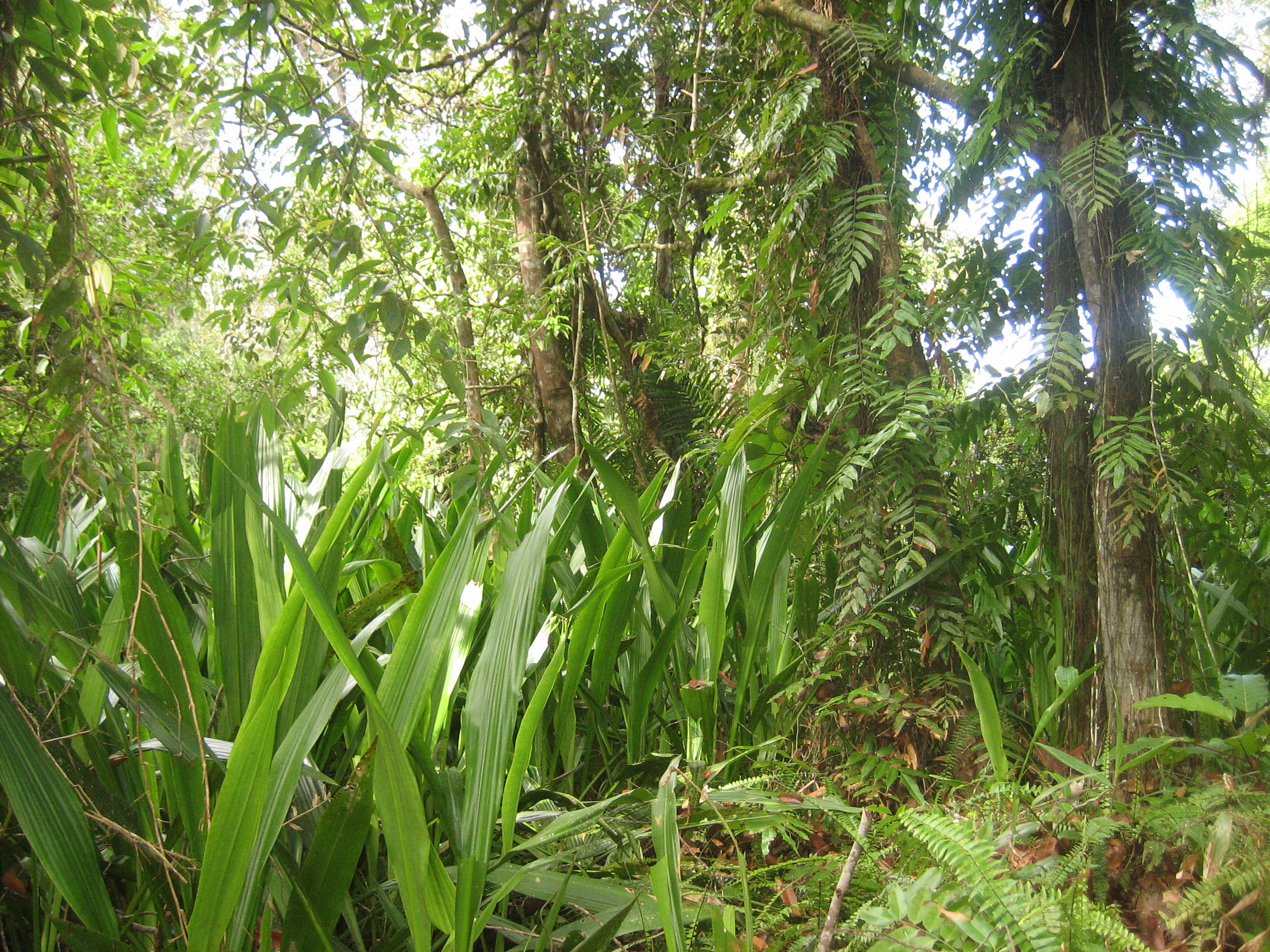
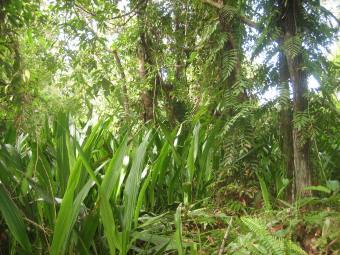
Fig. 3      Relatively intact peat swamp forest patch, near to the site where the “PSF” core was extracted (Fig. 2).

Disturbances

There were three drivers of vegetation change that we focused on in this study, each with its associated palaeoecological proxy: climatic variability, such as El Niño Southern Oscillation (ENSO) activity, identified through a literature review; local and regional fire inferred from fossil macro- and microcharcoal respectively, and anthropogenic activity indicated by pollen and spores of plants common in open areas, such as grasses (Poaceae) and sedges (Cyperaceae).  The literature reported increasing intensity of ENSO events in this region over the late Holocene, subjecting northern Borneo to arid conditions.  Burning, both from local and regional fires, occurred throughout the past in all three sites, though elevated dramatically in the last c. 500 years in parallel with greater levels of open vegetation indicators.

Vegetation response

Only within the recent past, from c. 200-500 years BP, did the peat swamp forest vegetation show signs of being ‘disturbed’.  Prior to this period, episodes of more intense ENSO and burning did not appear to correspond with notable declines in the peat swamp forest taxa, suggesting ecosystem resilience to these forms of perturbation.  However, given that elevated levels of open vegetation indicators and charcoal do correlate with the declines observed in the recent past, and in the period when literature and interviews suggest humans started exploiting these environments, it is likely that anthropogenic activities are responsible.  Though a lack of sufficient data prevents us from inferring whether these changes equate to a recent loss of ecosystem resilience, we have made several conclusions:

  • These peat swamp forests have shown resilience to natural disturbances in the past;
  • Levels of disturbance within the last c. 500 years have exceeded those recorded in the previous 5000 years, and humans are the main culprits;
  • Recent, coincident instability and declines in peat swamp forest taxa suggest a notable anthropogenic impact on this ecosystem, potentially challenging the future persistence of these forests.

Back to the future

So, what more do we need to know about these vital* ecosystems?  Our study has provided some baseline data and information on the functioning of the coastal peat swamp forests of northern Borneo, but there are many other patches of peat around the island, and indeed the whole region to investigate.  In order to design more sustainable management practices for these unique ecosystems, it is important that we find out more about their ecology, past and present, and in particular their ability to respond to different disturbances.  With fire posing a major threat to the persistence of Southeast Asian peatlands, and the resultant carbon emissions posing a major threat to us, we need to gather insights from patterns of past recovery and build an understanding of peat swamp forest resilience.  And fast, before there’s no mud left.

*I hope I have convinced you of their extreme importance by now!


References

Cole, L.E.S., Bhagwat, S.A. & Willis, K.J. (2014) Recovery and resilience of tropical forests after disturbance. Nature Communications, 5:3906, 1-7. Doi: 10.1038/ncomms4906.

Cole, L.E.S., Bhagwat, S.A. & Willis, K.J. (2015) Long-term disturbance dynamics and resilience of tropical peat swamp forests. Journal of Ecology – Special Issue on Forest Resilience. Doi: 10.1111/1365-2745.12329.

Gaveau et al. (2014) Major atmospheric emissions from peat fires in Southeast Asia during non-drought years: evidence from the 2013 Sumatran fires. Nature, 4:6112. Doi: 10.1038/srep06112.

Holling, C.S. (1973) Resilience and stability of ecological systems. Annual Review of Ecology and Systematics, 4, 1–23.

Page, S.E., Siegert, F., Rieley, J.O., Boehm, H.-D.V., Jaya, A. & Limin, S. (2002) The amount of carbon released from peat and forest fires in Indonesia during 1997. Nature, 420, 61–65.

Maji ni Uhai

IMG_3395  IMG_3403

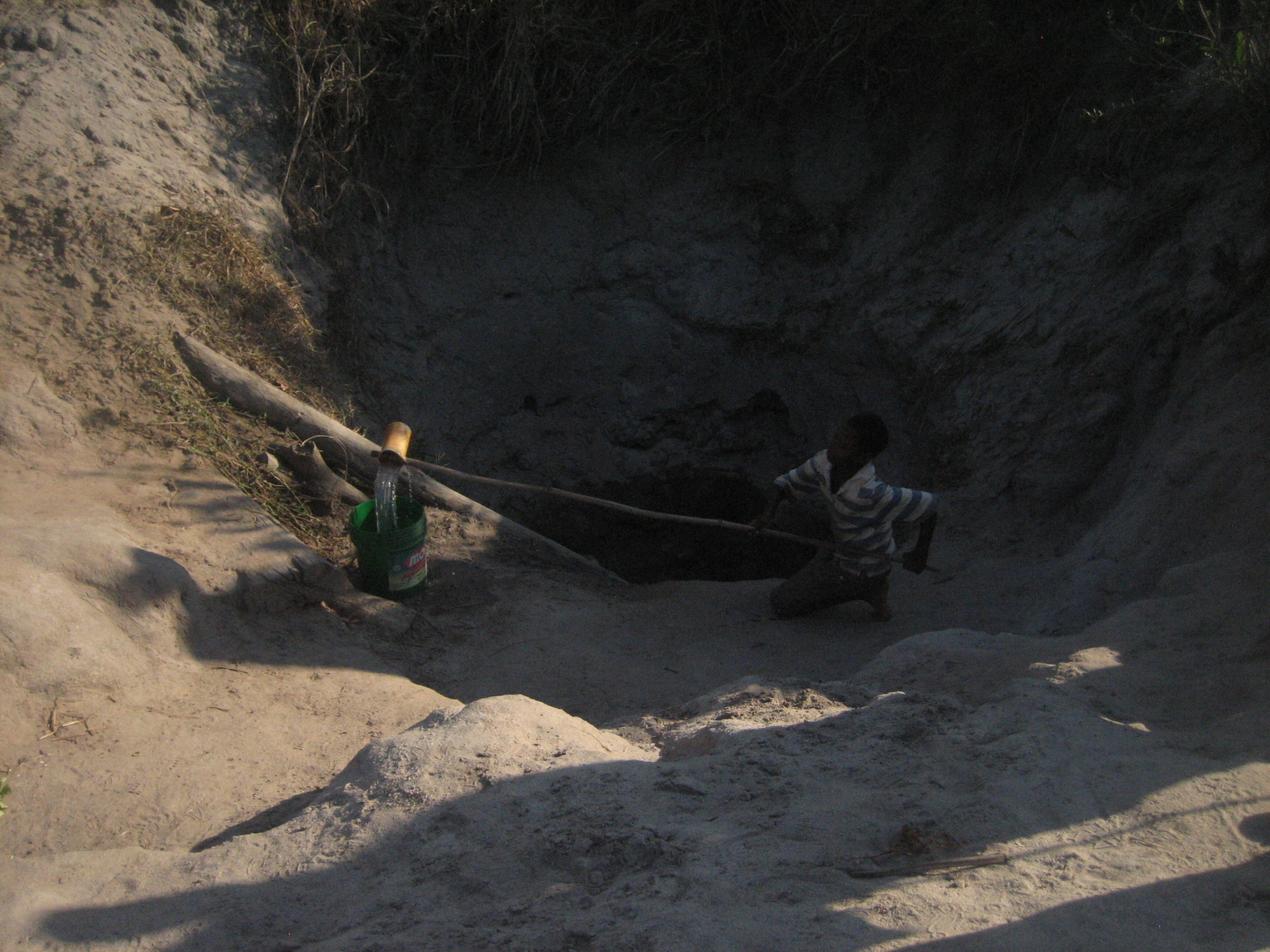
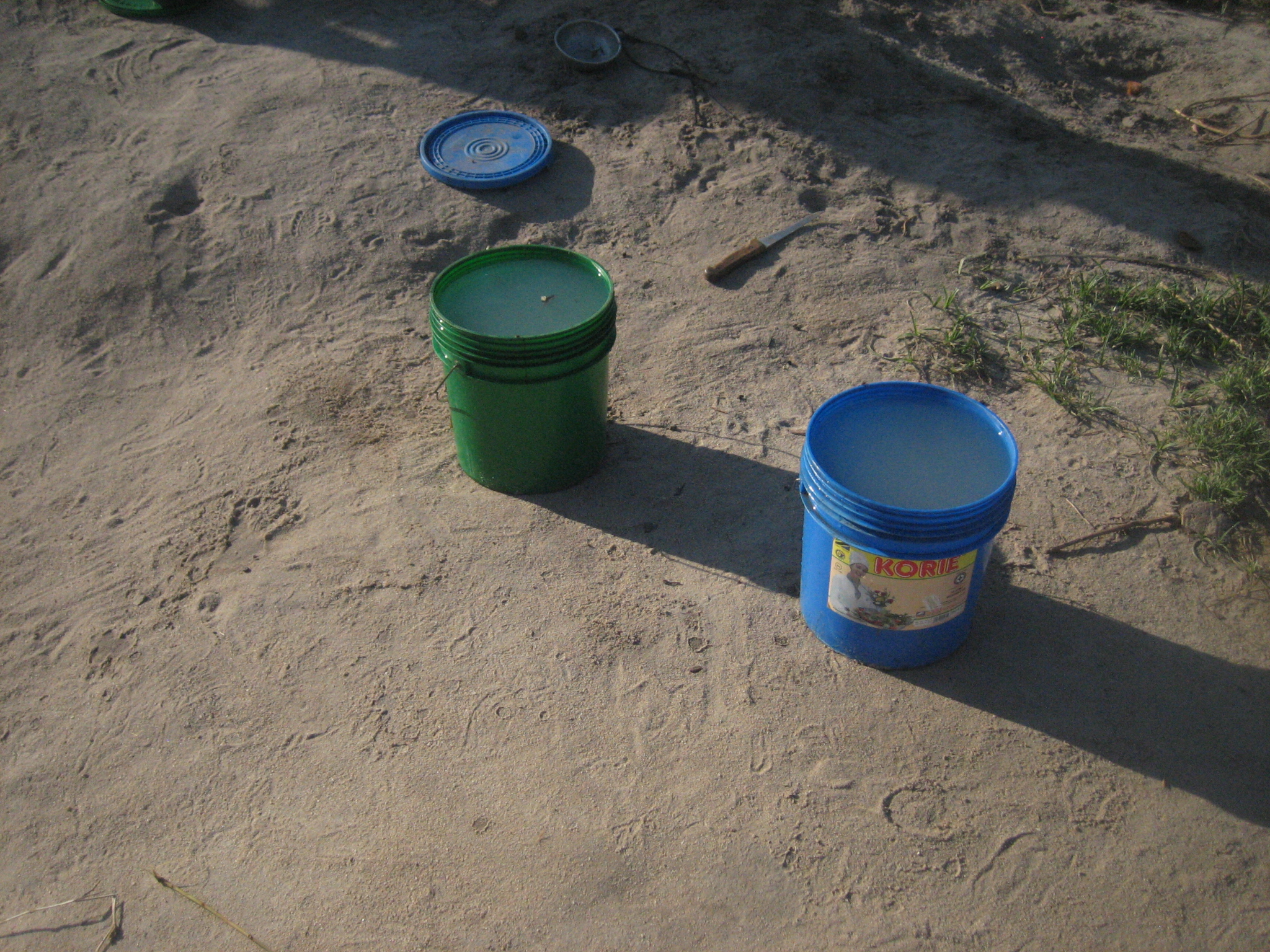
A boy that we interviewed in the village of Mihembe, Mtwara District in southern Tanzania, showing us the slow process of filling buckets with water (see the right photo for ones he prepared earlier), from a pool of cloudy water that stagnates at the bottom of a hand-dug hole.

I gave quite a different lecture last week to any I’ve given before.  Though I wasn’t particularly nervous, I was gleaning with sweat.  My audience sat in front of me on plastic chairs, of a size that I would definitely get my bottom stuck in if I even tried to sit down.  The wide-eyed onlookers gave an impression of being interested, at least to start with.  Their ages ranged from three years to around twelve, excluding the patient teachers.  They all belonged to the Christian Missionary School, set up to educate the next generation of God “fearing” individuals living in the middle-class commuter belt of Dar es Salaam*.  (In response to my concerned enquiry, I was told that fearing actually meant respecting/understanding.  OK.)  Though the students are taught in English from Nursery, my strange accent & vocabulary may have introduced a bit of confusion and my blinding colour been a source of distraction.  I think the students in the bigger chairs at the back probably understood 50+% of what I said and provided plenty of (mostly) appropriate answers to my many questions.  Importantly, everyone got the message about being a tree when I asked them to.  After explaining who I was (I thought it best to miss off the tropical peat swamp forest palaeoecologist role), I tried to convey to them how important the environment is and the different ways we’re hurting it and the many animals that live ‘inside’.  A highlight for me came when a three year old, some 10 minutes after I’d asked what animals I might find in the (tiny – yet containing lions, giraffes, other big animals that I’d prefer weren’t there) zoo somehow around the corner, stuck his hand up to proudly announce “horse”.  At that point, I was reassured that my conservation message was being conveyed loud & clear.

Anyway, once my talk/animal showcase was over, the real education began.  My host, Hilda, showed them all a great documentary she had helped to produce: Maji ni Uhai – Water is Life in Kiswahili.  It tells the story of water: where it comes from & goes to, what it’s used for & why it’s disappearing, with a particular focus on the Great Ruaha River catchment (obviously a worthy cause).  I found it quite overwhelming to see all of the challenges the river is currently facing in maintaining a clean (enough) flow from source to sea, with extraction of water for agricultural irrigation, small-scale arable farming, livestock ranches big & small, and the multiple sources of pollution.  But the film was inspiringly optimistic in offering solutions: turn off taps, don’t chop down trees – plant them, don’t drop rubbish (a particular Bugbear of mine), amongst others.  Promisingly, the students could recall some of these actions afterwards, as well as the animals that had featured in the film, ofcourse.  Hopefully they’ll remember and conserve both.

Another Guest Lecturer experience to add to my CV.

*So I’m in Tanzania….more on that later.


Summarising SEARRP

Another catchy acronym; another interesting symposium.  The Royal Society’s Southeast Asia Rainforest Research Programme held a two day meeting in London, quite a few weeks ago now, that managed to attach some of the top contemporary tropical forest scientists, as well as a bunch of my good friends!  All the great people work in SEA forest conservation, it seems.  (Conjecture only.)

Here are my five take-away points/unanswered questions from the meeting:

1. Should we rethink our current approach to conservation or try a bit harder doing what we’re already doing?

Good question, and probably the answer is it is depends on the situation.  I know I could certainly try a bit harder with both advocating for forest conservation and with figuring out a method for translating the words I’ve written on paper into something useful for those ‘on the ground’.

2. Native charismatic leaders are needed in the country where a conservation action is required.

This is a particular favourite of mine and one I hear people bring up frequently: change starts with respected, charismatic leaders.  I think I would be more likely to participate in the annual ragwort-pull in my New Forest village if the long-standing Doctor (come theatre director, actor and charmer) encouraged me to, than if someone popped by from Sevenoaks to give his/her opinion on what us villagers should do.  Not a great example, but we all take more notice when someone we know, trust and respect gives their opinion on something concerning us.

3. The risks associated with not doing anything about forest loss and biodiversity conservation are major.

….in case anyone was considering a change of profession – please hold off for a bit longer.  We need to know more about these risks so that we can prioritise our efforts and use the knowledge to incentivise behavioural change.

4. Should scientists be aiming to publish their work on the front page of Science or on the front page of the Daily Mail?

I would say both.  As to which is more important if only one is possible, again it probably depends on the situation.  But I think there should be an obligation for scientists to somehow find the time to translate their work into publicly-accessible pieces (with advocacy potential), and for politicians to put more emphasis on the use of policy-relevant research so that society becomes more tuned-in to evidence-based decision-making….and to all of the proven c**p that’s going on in the world today.

This point is along similar lines to something that came up at this year’s Earthwatch Debate, which focused on the controversial topic of rewilding in the UK.  As summarized for the twitter nation:

Need to take the #rewilding debate from London to the village halls where people will be dealing with the #beavers head on.

5. What potential does the plethora of new technologies have to deal with the old threats?

I’m not sure I’m qualified to answer this one, and again it probably depends.  There are hundreds of people who are better placed to give their opinion, one of which is the Captain of the Carnegie Plane of Dreams.  Professor Greg Asner, along with his hardworking, uber-intelligent minions, has developed technologies to map the chemistry of forest canopies, allowing for species-level identifications over vast areas.  I didn’t fall asleep once during his presentation.  And there are lots of other things going on out there, one of which I’m involved with.

6. Just remembered a 6th Roads: the bane of tropical forests, or are they?

IMG_2364

A road that I wish wasn’t there.  It was constructed illegally (though it seems that’s disputed) into land owned by the Rimba Raya Biodiversity Reserve in Central Kalimantan, and not the plantation company that built it and has started to convert the area on the left into the bland oil palm plantations that this region is now accustomed to.

Fronting the “yes” campaign, Bill Laurance provided a convincing argument, showcasing his work on the impact of roads on the tropical forests across the world.  On the “No” side, the incredible Vojtech Novotny told a captivating story of the meaning of roads for the people of New Guinea.  His colleagues from the island were shocked to hear that people in the UK campaign to halt road building.  In a country where access to many places during much of the year is near impossible, and formal education and health care near absent, the thought of getting a road is equivalent to a lifetime of Christmases rolled into one (though the concept of Christmas is probably even more alien to them than roads).  In this richly forested nation, the argument for/against roads is nuanced and warrants consideration.

The answer to most of these questions seems to be that it mostly depends on the situation.  This isn’t just my indecision shining through; I think many tropical forest conservation projects have suffered in the past from the imposition of general rules on unique situations, as each project focus inevitably is.  General theories, principles and strategies are obviously necessary and useful, but there’s a whole load of specifics beyond these, which need to be gleaned from every forest and every community.

#PeatAction14

Not of my making, promise!  This was one of the hashtags at the IUCN UK Peatland Programme Annual Conference I was lucky enough to attend last week in (surprisingly sunny) Inverness.  I had two days of being surrounded by peatland enthusiasts (and Scottish accents) – boggy heaven.

The aim of the conference was to spread news of success stories in peatland restoration and convey the state of play at present in UK and European peatland management (with a bit of burning news from the tropics provided by the hard-working OuTrop).

Here are a few of the main insights I came away with:

  • There is still no ban on peat extraction in the UK, or anywhere as far as I’m aware, but the Peat-Free Pledge is gaining momentum, putting pressure on the extractive industry and consumers (check out Dalefoot Composts for a peat-free alternative – I was thoroughly impressed by their front man and his win-win project!)
  • Corporations are becoming more interested in funding peatland restoration activities, and the Peatland Code is being developed to  encourage that, through making investment outcomes more measurable
  • There’s not a huge amount of faith in the new EU agri-environment schemes effectively enabling long-term peatland restoration and conservation, since they’re not really designed for that
  • We need more maps
  • We need more monitoring
  • We need more communication on what restoration techniques are working/failing in what locations, as each peatland is unique
  • The passion, time spent on & government support* behind sustainable peatland management in the northern hemisphere massively dwarves/gnomes that in the tropics, as oil palm and fires spread across the millenia-old peat bogs of Southeast Asia
  • *We’ve got until 2030 to manage all of our soils more sustainably, says Defra.  Great.  How?
  • HIghland Park uses minimal peat in its whisky production

Here’s the poster I presented on behalf of Rezatec….

140922_IUCNPoster_Corrected

Needless to say I was glad to hear that mapping and monitoring were key requirements for improving peatland management in the UK!

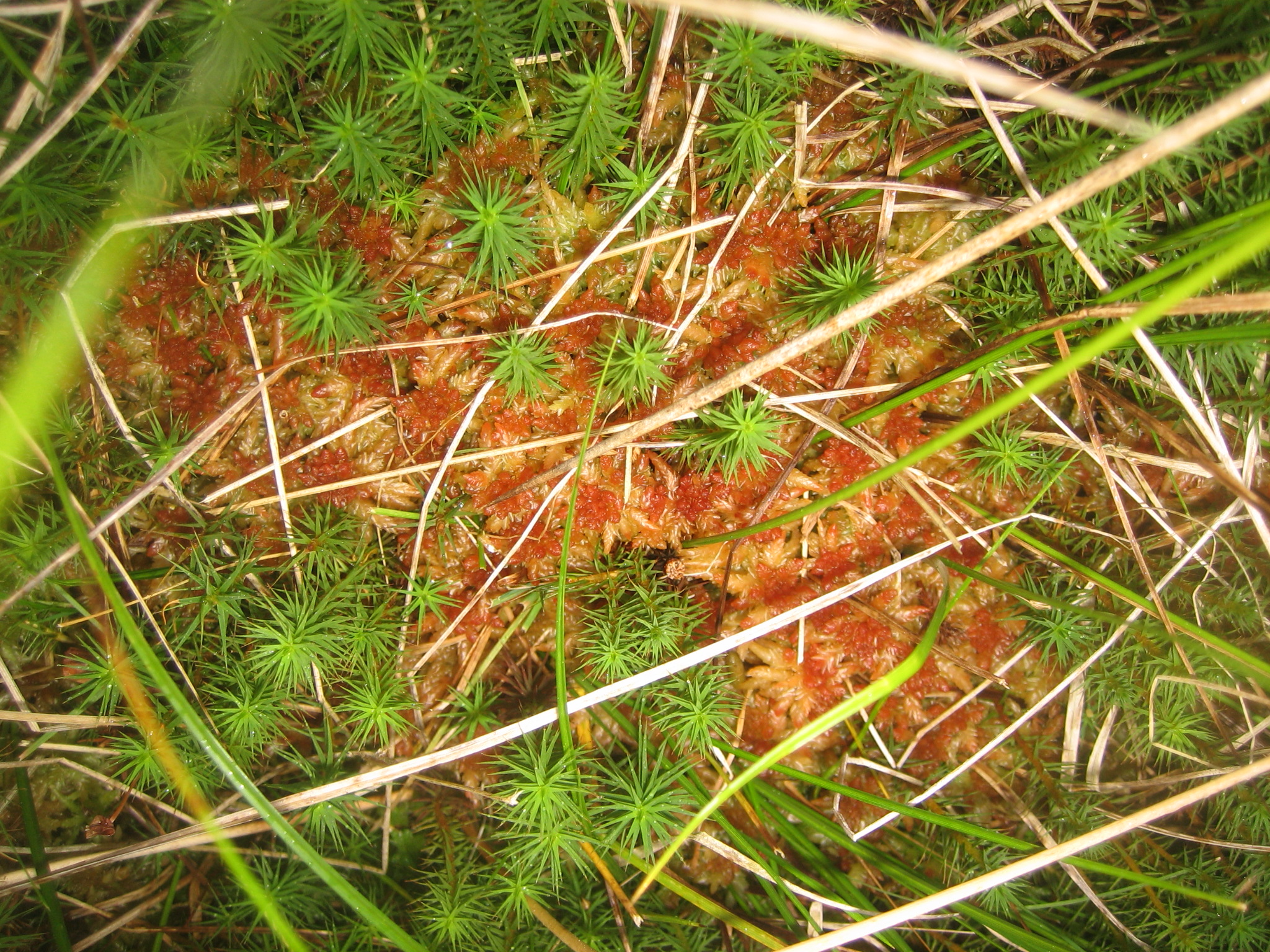
And to end, some passionate delegates out on the peat, and the beautiful Sphagnum moss (plus friends) for good measure….

IMG_3147 IMG_3157

Selungo & the Penan Peace Park

At the end of September, the documentary Sunset over the Selungo was released.  It beautifully portrays the culture of a community belonging to the Penan tribe, living in a very remote part of the remaining rainforest of Sarawak.

                  Sarawak, one of the Malaysian States in Northern Borneo, Southeast Asia.                    (Thanks Mongabay for the image….and for all of my tropical forest news!)

Though I’ve spent some time in Sarawak over the last 6 years, and so learnt a bit about the State’s many different tribal groups and their unique cultures, I was mesmerized when I watched this film last night.  You get a privileged insight into just how skillfully these people live off the riches of the rainforest.

Then in the last few minutes of the documentary, the bomb drops/chainsaw starts.  After cleverly drawing you in to the sustainable romance of the Penan’s forest existence, the Producer/Director extraordinaire (Ross Harrison) hits you with the hard-line campaign behind his piece: deforestation.  Illegal and legal loggers are trying to move into the area, and have been for some time, despite its remoteness and importance to local and global communities.

Unfortunately, this is no new story for forest-based communities.  A friend of mine, Dr Fran Lambrick, had the premier of her documentary, I am Chut Wutty, last month also.  She tells the story of the incredibly brave Cambodian campaigner, Chut Wutty, who tried to prevent the logging and destruction of the forests in his country that many communities rely on for sustainable rubber tapping and a range of other forest products and services.  He was killed.  Probably under the direction of his own Government.

Before Chut Wutty died, he made a great noise about the injustice and destruction he saw, and generated action and support that continues in his absence.  The Penan people in Ross’ film have created a voice for themselves too, and are working to create the Penan Peace Park.  If you manage to watch the film and feel inspired to help their campaign, you can donate to it here.