Commenting on carbon credits

I was invited by one of the Features editors at Business Green, “the UK’s leading source of information for the green economy” (Business Green, 2024), to write a response to a piece they’d recently published that claimed (in the title) that “The UK could lead the world on peatland carbon credits”. I accepted the challenge, in part because it would give me an opportunity to learn more about the way the peatland carbon market is currently perceived, and, provide an opportunity for me to clarify and communicate my argument as to why we need to approach this market with caution. Here’s the argument published in Business Green on 28th June 2024.

Careful investment is required to make peatland carbon credits work for the climate

An exciting economic opportunity does not necessarily equate to a feasible ecological one, writes St Andrews University’s Dr Lydia Cole

Up until recently, the UK’s peatlands – found in the murky space between terrestrial habitats and wetlands – only caught the attention of the government when land was sought for agriculture and forestry. Tax incentives in the 1970s and 1980s encouraged the drainage of these landscapes to pave the way for tree planting for timber production. But now, with international commitments under the Paris Agreement to reduce all avoidable sources of carbon emissions, our leaders are obliged to return to the UK’s damaged bogs, which are responsible for five per cent of the UK’s greenhouse gas emissions.

There is no question that blocking drains in peatlands is a necessary step towards restoring them to a healthy condition where they can again sink atmospheric carbon and contribute to mitigating global warming. There are, however, questions to answer around how we restore peatlands effectively, and how we pay for that restoration. After years of trial and error across the Northern Hemisphere, we are piecing together protocols, designing equipment and perfecting techniques for patching together peatlands, and expertise continues to grow, not least through Scotland’s publicly-funded Peatland ACTION programme.


Experience, and thus expertise, on how to fund effective peatland restoration is, however, lacking. In a recent article in BusinessGreen, the managing director of Ridge Carbon Capture Betsy Glasgow-Vasey claimed the UK could lead the world on peatland carbon credits. She may be right, but not right now. Here, I outline five areas of concern that need to be addressed if carbon credits from ‘restored’ peatlands are to contribute to our nation’s net zero goals.


Firstly, there is an assumption that the more money we invest in activities that, on paper, provide a clear pathway to climate change mitigation, the more mitigation we achieve. This is a fairassumption, but we all know how often climate-related goals are met in reality. And we all knowhow wicked and multifaceted a challenge mitigating climate change is. Take carbon credits, for example. They are supposed to lead to reduced greenhouse gases in our atmosphere. However, an UK-based individual or company can currently purchase as many carbon credits as they want via the voluntary carbon market – outside of schemes such as SBTi anyway – with no obligation to reduce their own avoidable emissions, or importantly, to have eliminated all of their avoidable emissions. If the limited stock of the UK’s carbon credits – we don’t have infinite land, let alone peatlands – is spent on such ‘greenwashing’ campaigns, we will run out of our capacity to offset the unavoidable emissions, an essential process on our pathway to achieving net zero.


There seems to be an equally prominent assumption that the reason the UK’s peatlands are not being restored at the target rate is a lack of funding. But recent research in Scotland has suggested quite the opposite. The promise of vast payments from private investors for units of carbon that are currently sat idol is stalling the progress of publicly-funded restoration programmes. Owners and managers of peat assets are facing decision paralysis in an information vacuum: selling carbon credits could mean a reasonable revenue for the current generation, but it could also mean they forfeit access to a valuable resource and leave their inheritors with a stranded asset. The stewards of peatland carbon credits need to understand what selling those credits entails, for them now, and for future stewards. Yet they are struggling to access this information.


Much like there is more than one type of peatland – blanket bogs, raised bogs and fens in the UK –there is more than one type of relationship, pattern of use, land ownership regime, etc. that these stewards have with these multi-use, cultural landscapes. A carbon offsetting scheme in the intensive agricultural landscape of the Cambridgeshire Fens will necessarily look very different to one that succeeds in the crofting landscapes of the Outer Hebrides. Commodifying carbon ignores the unavoidable, and important diversity inherent in each ‘credit’, and a one-size-fits-all market, that treats all peatlands and people the same, will fail.


This market will also fail to address the problem it was created to solve – climate change – if it does not differentiate between types of carbon credits. When you block a drain in a damaged peatland, the hope is that it will start to emit less carbon as a waterlogged landscape re-establishes. This intervention will reduce the volume of carbon being emitted from the peatland initially, and lead to avoided emissions if successful, relative to the business as usual state. Overtime, if drain blocking and revegetation is successful, and climatic drying mild, that peatland might remove carbon from the atmosphere. But peatland ‘restoration’ does not necessarily equate to carbon removals or true carbon offsetting. An exciting economic opportunity does not necessarily equate to a feasible ecological one.

The Scottish Government-funded Peatland ACTION program aims to set peatlands on a “road to recovery” – to carbon sequestration in line with Scotland’s Climate Change Plan outcomes. The conditions and outcomes tied to private investments, dictated and verified via the IUCN’s Peatland Code, are necessarily prioritising market resilience above ecological. It is, of course, imperative that credit schemes entail standards that imbue confidence in investors and are paired with a healthy market through which they can flow. However, the origin of any carbon credit is a unit of carbon, and in the case of peatlands, that unit represents a real block of dark, thick, wet peat, set in a healthy ecosystem. These blocks of carbon are fragile, only replaced on millennial timescales, and will not necessarily stay put through a price tag.

A key solution to all of these notable challenges is government regulation. Carbon credits must only be available for purchase by those companies that have eliminated all of their avoidable emissions and are looking to invest – not make profit from – nature-based offsetting opportunities. And we need to be more careful with the descriptors and phrases we use to rally the crowds: “high-integrity” offsets must hold true, and “level-up the peatland industry” – what does that mean? An obligatory carbon market, similar to the UK Emission Trading Scheme (ETS), building on the ‘polluter pays’ principle, needs to have the capacity to support flexible payment models that direct funding to locally-appropriate peatland restoration or responsible management schemes. Learning from the roll-out of the Environmental Land Management Scheme (ELMS) in England, or Piloting an Outcomes Based Approach in Scotland (PoBAS) could help to build a more nuanced, more effective approach to peatland restoration that supports rural communities and leads to long-term investment in the landscapes that could make or break our collective future.


Dr Lydia Cole is lecturer at the School of Geography & Sustainable Development at University of St Andrews; chair of the Expert Group: Peatlands and Biodiversity, within the Peatlands and Environment Commission of the International Peatland Society’s Scientific Advisory Board; and Chair of Conservation Ecology Special Interest Group at the British Ecological Society.

Peatlands & private finance: recipe for …?!

In late summer of 2022, myself and my wonderful frolleague, Dr Conny Helmcke, were awarded funding to work on an interdisciplinary project with the broad remit of exploring how communities in rural Scotland are making decisions about whether, why and how to restore peatlands. I thought Conny’s work on environmental justice-related themes was very cool and wanted to learn from her, so approached her to see if we could work together. A few months later, we were awarded some funds from the University of St Andrews (with thanks!) to hire a research assistant, who could collect data to explore this theme (Conny and me being ‘tied up’ with teaching). We are ever grateful to Ewan Jenkins for doing such a fantastic job of building the relationships and understanding central to the success of this project, and in the depths of a Hebridean winter.

The main output of the project, as outlined below, is a set of online (and print, on request) resources for the crofting communities that we worked with in rural Scotland. We have also published a Correspondence piece in Nature (with an open access draft here) and an article for The Conversation. And back in March of 2024, as a result of submitting evidence to a formal call, I was invited to attend the 12th Meeting of the Scottish Parliament’s Committee on Net Zero, Energy and Transport, as an invited witness to give evidence on the opportunities and impacts of natural capital finance in the Scottish context. The first set of witnesses (principally representing private landowners across Scotland) focused on the importance of private finance (and the importance of derisking private finance using public funds) for nature restoration and the achievement of net zero goals/climate change mitigation; the second set of witnesses (from Community Land Scotland, Scottish Wildlife Trust, and researchers, including me) focused on the current challenges of the focus on private finance for achieving these same goals. Here are some links to: the agenda for the session, our written evidence (Clerk Paper 1 – Annexe C), the recording of the session (starting at 10:48:00) and the Official Report. The experience was as interesting and enlightening (about the/our political process) as it was frustrating.

There are so many questions still to answer around how we can support peatland restoration whilst supporting communities, in the current climate of carbon markets, amongst other uncertainties. I hope this project doesn’t end here.

** 

To give some more information on the project and resources for communities, here is an article that I wrote for the International Peatland Society’s Peatlands International quarterly communication.

Peatland ACTION assisted restoration of peatlands underway in the north of Lewis, Outer Hebrides. (Credit: Lydia Cole)

If you’re a crofter in Scotland, wanting to restore the peatland ecosystems within your communal grazing land, how do you go about it? If you have the opportunity to take advantage of public funds so that restoration costs you nothing, should you take it? Or should you agree to sell the carbon locked up in your newly restored peatland to a company or a broker, to provide you with extra revenue and them with credits to offset their emissions? What are the costs and benefits of different pathways to restoration? And how might you gain, or lose, from peatland restoration itself?

In October of 2023, colleagues and I launched an online set of resources designed to answer these questions for crofting communities living in rural Scotland, to assist them in making decisions about how to navigate peatland restoration. (Crofters are individuals who have tenure or use of a small plot of land, i.e., a croft, traditionally in the Highlands and Islands of Scotland, where commonly part of their income is obtained from farming that croft and a larger area of communal land to which they have rights to graze animals.) The website housing these resources: Peatland Restoration: A Guide for Crofting Communities, contains a downloadable Executive Summary and extended Booklet outlining some of the key considerations for crofting communities embarking on, or under pressure to engage in peatland restoration activities. Alongside these, we provide responses to common questions that arose during a period of field research carried out in the spring of 2023 in Lewis, Outer Hebrides, in the form of FAQ, as well as a glossary of terms, to facilitate understanding of the unfamiliar words and complex phrasings common in discussions around carbon credits and associated carbon markets. All of these resources (bar the FAQ) are available in English and Gáidhlig (Scots Gaelic), reflecting the languages spoken in the communities they have been designed for.

These crofter-facing guidance materials are the result of a nine-month project funded by the St Andrews Interdisciplinary Research Support scheme, awarded from the University of St Andrews, Scotland. The research underpinning the resources was carried out by a team from the University of St Andrews, led by myself and Dr Cornelia Helmcke, with Ewan Jenkins employed as a Research Fellow, and Dr Bobby Macaulay, (coordinator of the Community Landownership Academic Network (CLAN), University of the Highlands and Islands) and Drs Shona Jenkins and Milinda Banarjee (University of St Andrews), as Co-Investigators. At project inception, Cornelia and I engaged various people to understand if our research questions were pertinent and could yield information of use in the development of informed policies on peatland restoration in rural Scotland. Bobby Macaulay provided invaluable feedback on our ideas and contacts for the project, one of which was the Peatland ACTION Officer in Lewis, Ben Inglis-Grant. We thank him for the time and wisdom he shared with us over the full course of the project. Peatland ACTION is the government scheme that funds and provides logistical support for the restoration of peatlands in Scotland. Peatland ACTION is not to be confused with the Peatland Code, a UK Government-backed scheme that acts as a standard against which carbon credits resulting from peatland-based restoration projects can be verified, enabling them then to be sold on the domestic voluntary carbon market. Our project explored the challenges and opportunities associated with the different pathways to restoring peatland ecosystems within crofting communities in rural Scotland, in order to provide insights for what is necessarily a rapidly developing area of policy around natural capital markets and net zero accounting. For an important critique of the carbon market in the context of achieving net zero in the UK, pertinent to the drive for peatland carbon credits, we recommend Andy Wightman’s blog.

The website and associated resources are being disseminated to crofting communities and organisations, researchers and policy groups, and anyone who might be able to make use of the information to better understand what support and regulation is needed to help communities navigate the new potential to earn money from carbon held within, or in the case of peatlands, not emitted from landscapes if they are restored (i.e., avoided emissions if ‘Business as Usual’ scenarios continued). If you have feedback on the resources and/or would like physical copies of the Executive Summary or Booklet, please email peatlandguide@st-andrews.ac.uk.

Was it a COP-out?

After a year’s delay, COP26 has now been, and gone. And the next Conference of the Parties, the 27th gathering of the 197 countries who make the decisions on how to fulfil the goals of the United Nations Framework Convention on Climate Change (which they all signed up for), is already being talked about. Next year, each nations’ negotiators, and their support teams, will meet in Egypt to share what they’ve been up to over the last year; what practical actions and/or policy changes and/or plans they’ve made to stick to their ‘promise’ of reducing their country’s greenhouse gas emissions, and by the amount that scientists think is needed in order for the world to stave off dangerous increases in temperature.

Are we not already beyond the dangerous increases stage? I think most scientists would say that the imperative of maintaining temperatures to 1.5°C is already unachievable. And misses the point. Certainly, the details of the agreement of nations made at COP26, to essentially “phase down” rather than “phase out” the use of fossil fuels, will not accelerate our approach to limiting temperature rise to the mythical 1.5°C. But progress was made, I have heard.

Reflecting on the various conversations I’ve had with people much more involved in COP26 than me, and on reports I’ve read from the event, it seems that ‘nature’ and (some of) the voices of (some of) the people who aren’t normally given space at these talks, were considered. Big business is also, necessarily, supporting the development of fora between trading nations and of tools to more accurately monitor supply chains, especially for products coming from countries with vast areas of forests and peatlands, vulnerable to the power of the global commodities trade. The Forest, Agriculture and Commodity Trade (FACT) dialogue is one fora. And Sainsbury’s are one ginormous business having a go at leading the way.

There were numerous individuals attending the Conference who were also leading the way. A great number walked to COP26 from across the UK. One very special guest walked to COP26 from Syria. Little Amal made the journey (with a bit of help!) to tell the “unpalatable truth” about the challenges faced by so many refugees. Michael Morpurgo gives a moving Point of View on the inspiration behind this brave girl. And her presence at COP26 also reminds us of the growing injustice wrought by climate change, in addition to the injustice that has gone into creating it. But I cannot talk with any authority on that subject. On the subject of peat however, I can.

Through my role as the Coordinator of the Expert Group on Peatlands and Biodiversity, of the Scientific Advisory Board of the International Peatland Society, I had the opportunity to give a whistle-stop tour of the peatlands of the Peruvian Amazon to the audience convened by the Global Peatlands Initiative. The UN-led Initiative is a multi-stakeholder partnership that aims to coordinate and share information and expertise with the goal of promoting the conservation and sustainable management of the world’s peatlands. I presented the work of the Tropical Wetlands Consortium to the audience of the Peatland Pavilion at COP26, within the Peatland Partnerships in Climate Change Mitigation and Nature Recovery session, organised by the International Peatland Society. Intact peatlands are increasingly being acknowledged as a key natural way of mitigating against (through absorbing carbon) and preventing further increases in (if not drained & transformed) atmospheric CO2. It was evident from the extensive engagement that the Peatland Pavilion achieved (Michele Obama even popped by, apparently!) that peat is becoming acknowledged as one of the “superstars” of nature-based approaches to achieving Nationally Determined Contributions.

Promising words. Now to action.

The highs of boggy flows in 2020

To kick off what has already been an incredible year on many fronts (!), I was tasked with writing a post for the International Peatland Society’s blog, in my role as the Coordinator of the Peatlands and Biodiversity Expert Group within the organisation. Mark Harrison joined me in extracting some positive news about peatlands from 2020, to inspire us to keep speaking up for swamps in the year ahead. (The piece below is being reposted from the IPS blog, accessed here.) Onwards, and bog-wards.

As we say goodbye to 2020, to what has been an incredibly and unpredictably challenging year in many ways for many people, it is important to sift through the muddy (swamp) waters for positive news. For peatlands, the last 12 months have provided many sources of hope. Various happenings have brought the societal relevance of peatlands further into the public eye, and shone light on some of the great work of peatland scientists and practitioners across the world. Here are a few highlights (hopefully you also know of many more!).

There is a passionate campaign underway to make The Flow Country into a UNESCO World Heritage Site. The UK Government’s Department for Digital, Culture, Media and Sport (DCMS) announced in July that it will support the bid to UNESCO to consider this vast area of blanket bog as a significant jewel in humanity’s crown. If The Flow Country peatlands, which cover 2,000 km2 within the region of Caithness and Sutherland in northern Scotland, are given World Heritage Site status, they will enjoy increased resources for their protection and restoration (supporting further excellent work such as this), and helping the UK to achieve its net zero climate targets. The campaign team are busy working on the nomination materials, which will be reviewed by the UNESCO Committee in 2023. In the meantime whilst we await their decision, the RSPB’s Forsinard Flows reserve continues to provide access to this wonderful site (in the absence of Covid-restrictions!).

This year has seen noteworthy articles published that raise awareness of the importance of peatlands as an irrecoverable carbon stock (Goldstein et al., 2020), highlight the importance of better understanding peatland carbon dynamics and incorporating them into global climate models (Loisel et al., 2020), evaluate the relative impacts of incentive vs. deterrent interventions on peat fire outcomes (Carmenta et al., 2020), and assess the value of understanding people’s engagement with peatlands and the reasons behind “caring for Cinderella” (Byg et al., 2020). In addition to these, and of central relevance to this year’s main news story, Harrison et al. (2020) published an article describing the role that tropical peatlands play in the context of global disease pandemics.

Covid-19 has touched us all, including the communities living in the World’s peatlands. Working with an international team of co-authors (including us both), Harrison et al. (2020), make apposite connections between the current Covid-19 pandemic and tropical peatlands drawing attention to the consequences of neglecting this globally important ecosystem in these challenging times. We describe how tropical peatlands could prove a potential source of zoonotic emerging infectious diseases in the future, with wildlife harvesting and habitat degradation bringing people into contact with potential animal vectors. Of more immediate effect, we describe the likely/ensuing impacts that the Covid-19 pandemic is already having on communities living in and around tropical peatlands. Food security, health provisioning and livelihoods have been compromised by the interruptions to transport resulting from the pandemic within the peatlands of Borneo and the Peruvian Amazon. Peatland research, restoration and conservation have also all been disrupted, increasing the susceptibility of already degraded peatland areas to fire and illegal activities. On a positive note, the article concludes by providing specific recommendations on how tropical peatlands can be managed to mitigate the risks of this pandemic and potential future ones. Hopefully these recommendations will be heeded.

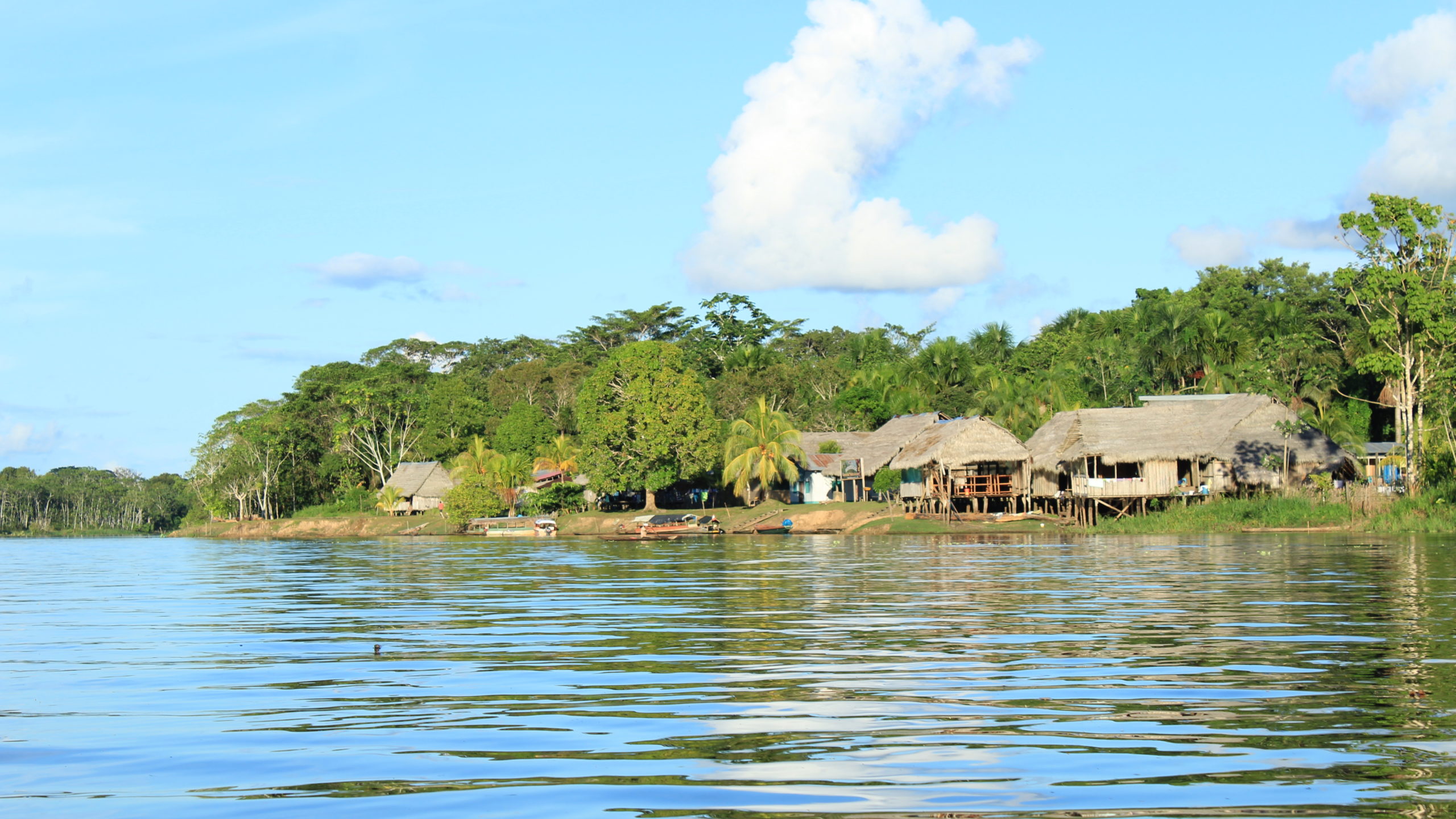
Buenos Aires, Pacaya Samiria National Reserve, Peruvian Amazon
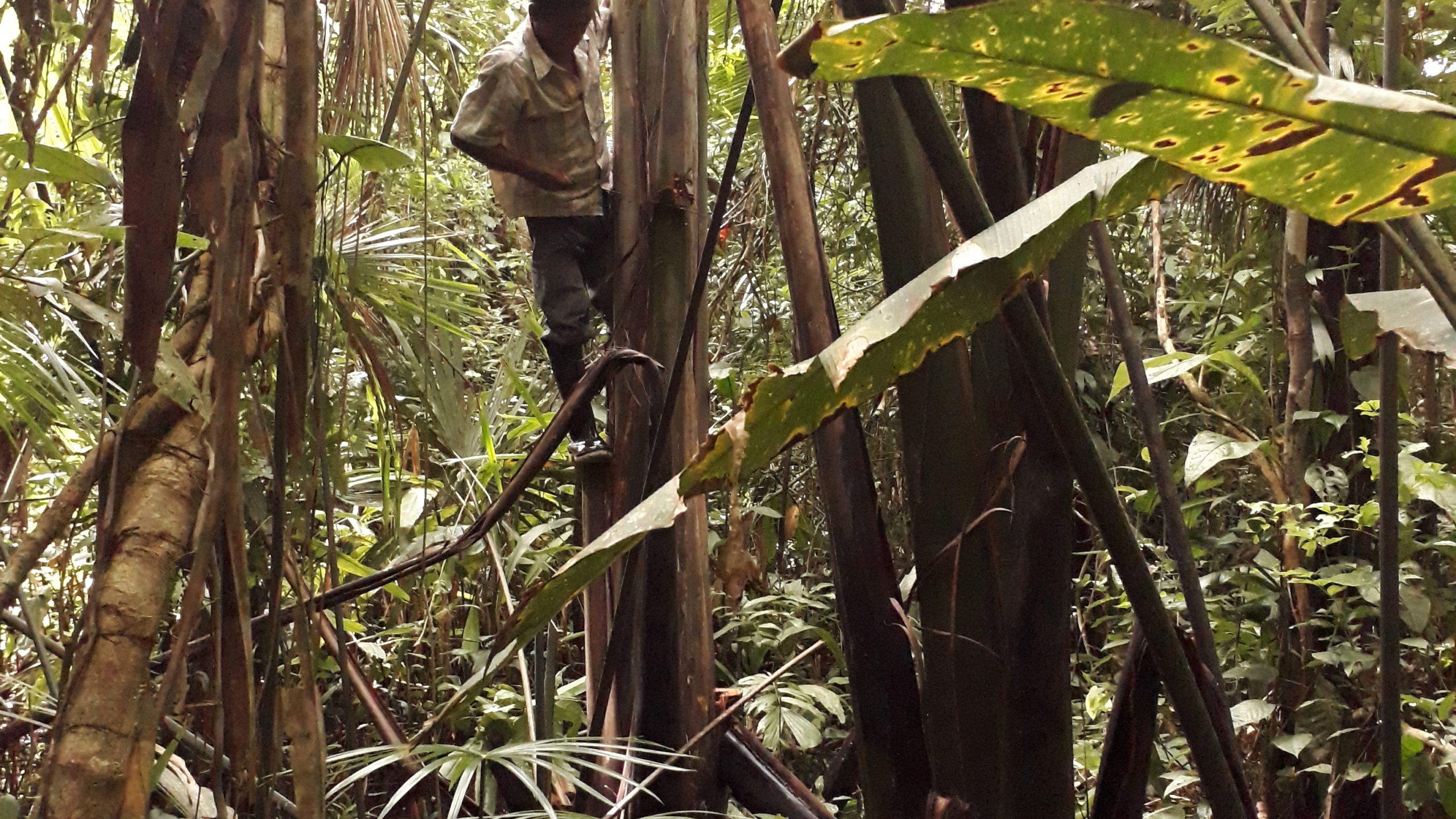
Urarina indigenous groups

Many tropical peatland areas are vulnerable to the impacts, whether directly or indirectly, of Covid-19 (Harrison et al., 2020). A remote tropical peatland community in Buenos Aires (upper image), within the Pacaya Samiria National Reserve, Peruvian Amazon, which is accessible only by boat. People living here and in neighbouring communities rely heavily on resources extracted from the surrounding peat-forming Mauritia flexuosa palm swamps. Urarina indigenous groups living in peat-rich areas, harvest palm leaves from which to make textiles (lower image); important both practically and culturally for these isolated communities. The palms also offer plentiful food for wild fauna and thus the palm swamps in which they grow are important hunting spaces for people, providing bushmeat in locations far from the nearest market. Photo credits: Lydia Cole.

Finally, the UK Government has been put under further pressure recently to ban peat compost for amateur gardeners. The UK aimed to phase out peat compost for home use in England this year, but the target was only voluntary, meaning political will is limited and enforcement non-existent. Campaigns drawing attention to this Government failing are helping to ensure it does not go unnoticed.

Despite these ‘wins’ for peatlands in 2020, there remain many challenges to protecting these invaluable ecosystems sufficiently from degrading human activities (for example in the Congo basin and Indonesian Borneo). Continuing to bring peatlands into public view and onto national and international policy agendas is vital, and one that the International Peatland Society is committed to as we dive into 2021.  

Dr. Lydia Cole, Coordinator IPS Biodiversity Expert Group
University of St. Andrews

Dr. Mark E. Harrison
University Of Exeter, Cornwall

Making an impact….in UK environmental policy

On 6th March B.C. (just before lock-down), I organised an event at the snazzy, “gold-standard of sustainability” British Ecological Society Offices in London, to let ecologists know how they can Make an Impact: Understanding the ways they can engage with the UK Parliament and Policy.  The event was held jointly by the Conservation Ecology Special Interest Group and the BES Policy Team.  We had an excellent bunch of speakers and a room-full of engaged attendees.

I thought I’d post some of the resources from the day here:

Now over to you/me/us.  And perhaps now is the time to think about what changes are possible, what a different world could look like A.C. and how we can influence that.

Friend and FAO

Earlier this year, as a result of making friends at a conference years ago, I had the privilege of working with a bunch of the world’s most knowledgeable peat-ple on this article for the FAO, published to coincide with COP25: Peatlands: the challenge of mapping the world’s invisible stores of carbon and water. (Page 46-57 in the linked document).

Our main message, watered-down, is that mapping peatlands is no easy task and there is still much work to do on the ground, and across the globe….but we are fast working on these knowledge gaps and know enough about the important role that peatlands play in mitigating climatic change that we would be fools to let them squander.

The Jungle Book Part II: Still no Paddington

I return to tell a few tales of my recent stint of fieldwork in the Peruvian Amazon, as part of the Leverhulme Trust-funded project: Valuing Intact Tropical Peatlands: an Interdisciplinary Challenge.

In early December, I returned to a cold and dark Scotland after two months in a warm and sunny Peru. Although, after spending weeks in mosquito-ridden swamps, it was a relief to at least leave them behind. The warmth and sunshine, less so!

Since early October, I had been based, along with Luis, another postdoctoral fellow from the University of St Andrews, and Charlotte, from the University of Edinburgh, in the central Amazonian town of Iquitos; the largest city without a road connection to the rest of the world. We spent several days there in between trips, organising the logistics, equipment and food for each period of fieldwork. All of our work is done in collaboration with, and would be impossible without, the fantastic team of ecologists and anthropologists based at IIAP (Instituto de las Investigaciones de la Amazonía Peruana).

This recent trip upstream to the Pastaza-Marañón Foreland Basin was the second of two that we made as a group in 2019. I wrote a bit about the previous one here. Earlier in the year we didn’t have time to visit all of the four communities we intended to, so returned to spend time in and collect data from the final two: Nueva Pandora (on the Tigrillo tributary of the Chambira River) and Jenaro Herrera (on the larger Ucayali river). We also revisited the two communities we’d got to know back in May and June of 2019: Veinte de Enero (at the edge of the Pacaya-Samiria National Park) and Nueva Union (on the Chambira river), to fill in some data gaps and to train more community members in how to use a personalised data collection tool, ODK.

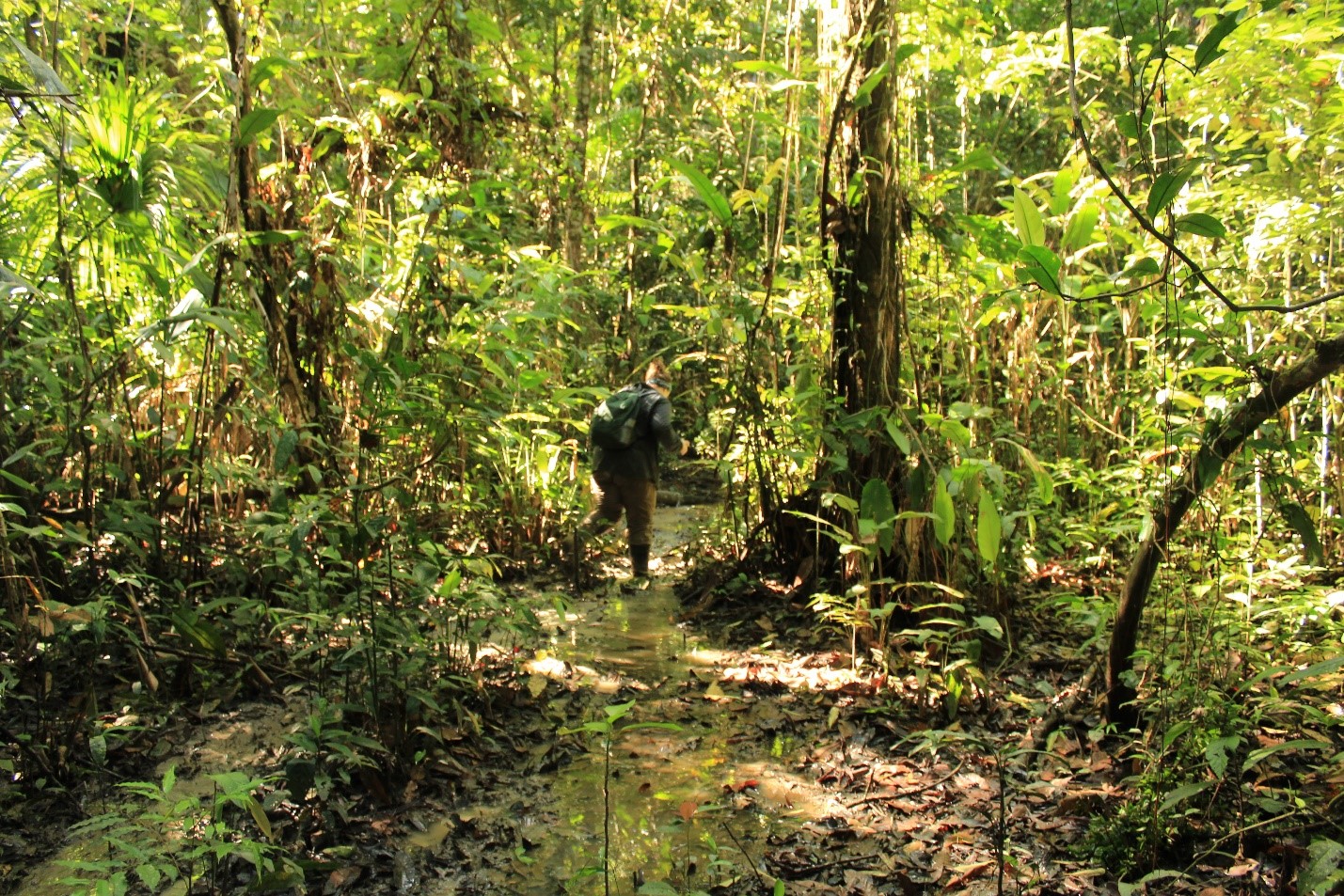
Six action-packed weeks were spent up-river altogether, splitting our time between each community. As before, each day involved squelching out into the surrounding wetlands. Our goal was to learn more about the types of forests that the community uses or in some way interacts with, and what the belowground environment and aboveground ecology was in each location. We were guided to areas of importance (appropriate for surveying) by a community member, seeming to effortlessly navigate the sucking swamps. Meanwhile, we would stop to tip out the sloshing aquarium in our wellies every few hundred metres! If our community guide told us it would take 30 minutes to get to a certain site, we knew it would take us double that, minimum.

20191114_121853

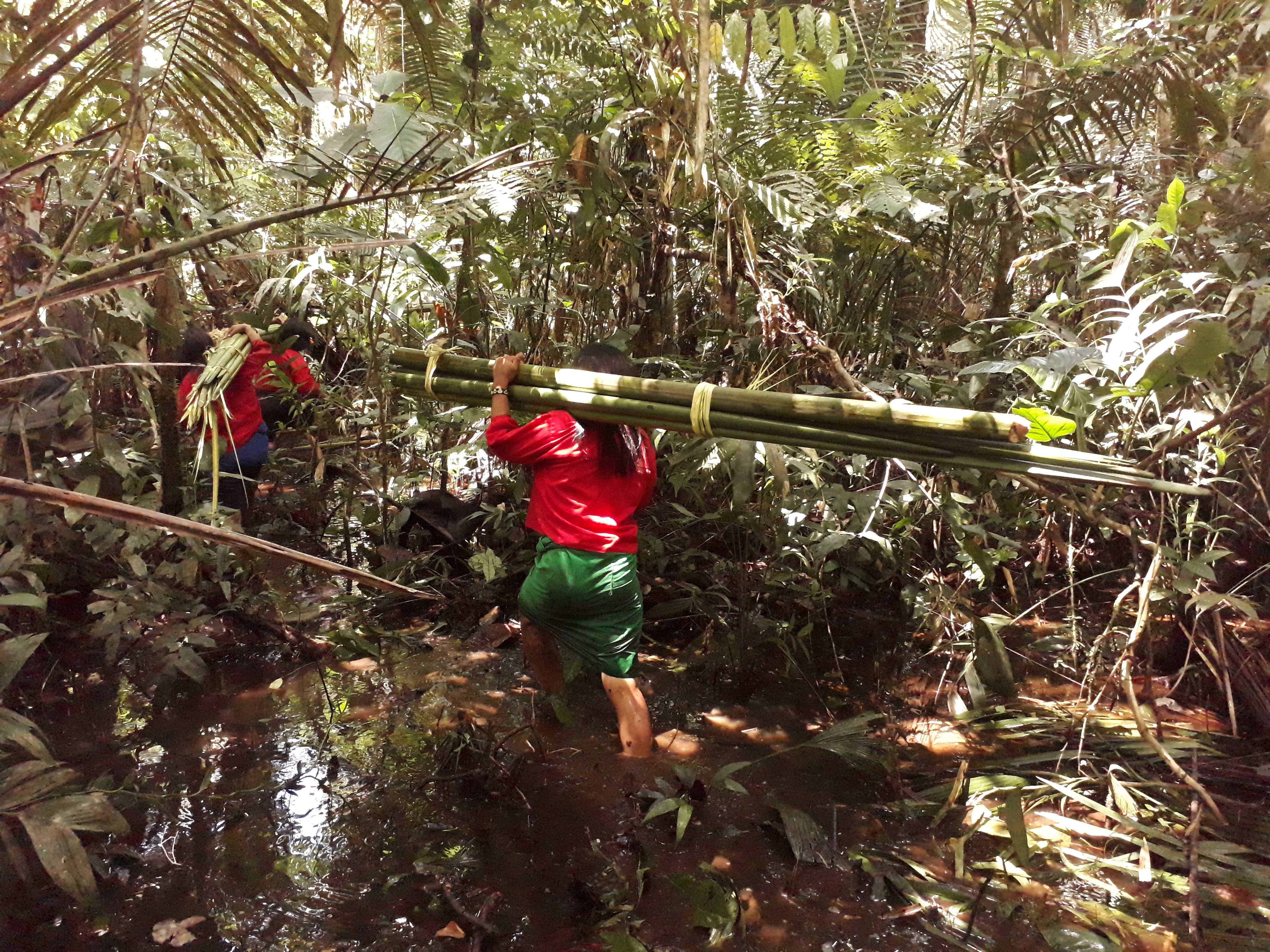
Some of the incredibly strong women in Nueva Pandora, who were carrying kilos of palm shoots that they’d just harvested in the leach-infested swamps, back to their homes 30+ minutes away, without wellies. We stood and watching in awe as we set up a plot, in wellies.

Each location contributed a new angle to the story of lowland peatland development and ecology in the Peruvian Amazon and gave us food for thought on how people use this challenging landscape. Each location also yielded a novel short-term challenge, whether it be swarms of incessant bees, mosquitos who pay no attention to clothing or repellent, thigh-deep water, buckets of water being poured down from the heavens, snake super-highways, or ants who somehow turn up in your pants. Character-building at best; madness-inducing at worst. To my surprise, I left the jungle this time with a new love of the Amazon and its many wonders.

20191129_142807

Bees – many and everywhere.

With the majority of the fieldwork now complete, it’s time to find out exactly what’s inside the many bags of samples that we brought back with us (peat or organic matter-rich mineral soil?) and explore the ecological and social survey data we collected. One major goal of the project is to produce a cohesive output that combines the quantitative ecological data with the qualitative social survey data, which will tell the story of the local value of the variety of wetland ecosystems in the PMFB. This will be a challenge, as is often the case in interdisciplinary work, but one that we are primed for.

Another major goal is to return to each community with the relevant results of our study and of the interactive studies that community members are carrying out with ODK, in order to enrich their knowledge, where relevant, and thus capacity to manage their relations to their environment, the people they interact with and the State.

And of course, we have to return to defend our title on the football pitch. And to find Paddington.

IMG_6443

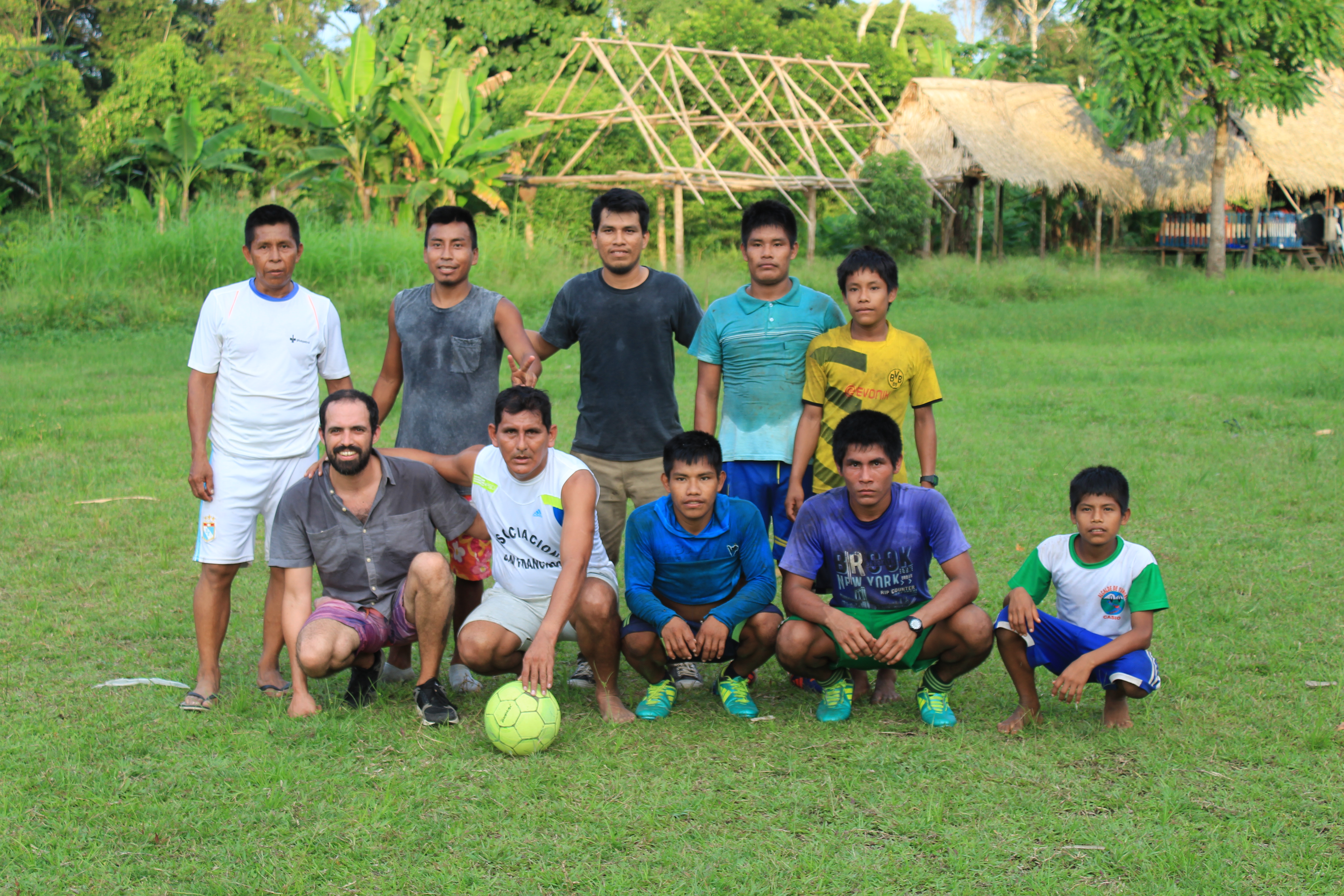
Our visiting Jiiri team posing with Nueva Pandora’s home team, the Leuuakus, after a long football match (and a long day in the swamp!). I am indebted too all of these people for their help and kindness over many days in the jungle.

Sucked in (to the swamps)

About a month ago, I got back from my first ever trip to the continent of South America.  And the reason for my visit?  Peat, of course.  Here is a blog post I wrote for my new(ish) research group, the Tropical Wetlands Consortium, on my recent adventure to the “chupaderas”, or sucking swamps, of the western Amazon. 

Anna_aguajal

A colleague, being sucked in.  (She is entering a type of palm swamp dominated by Mauritia flexuosa, locally known as an aguajál and important for the fruit that can be harvested there.)

At the end of June, I got back from two months of fieldwork in the Peruvian Amazon.  The swamps, the Amazon, Peru, and indeed South America, were all new to me, having spent most of my research career to date searching for remnants of intact peatlands in Southeast Asia.

In the Pastaza-Maranon Foreland Basin (PMFB), a large area of the lowland Amazon within the Department of Loreto, Peru, you’re pushed to find any land that isn’t swampy to walk on.  Mapping projects to date have estimated the peatlands of the PMFB to cover 100,000km2.  One of the reasons I was there, along with six colleagues (from the Universities of St Andrews, Edinburgh and Manchester) and a bunch of exceptional assistants, was to help improve the accuracy of this estimate.  We each had slightly different data gathering agendas, but overall were trying to find out more about the evolution, ecology, condition and value of these peatlands, both from a local and global perspective.

Dael_Veinte

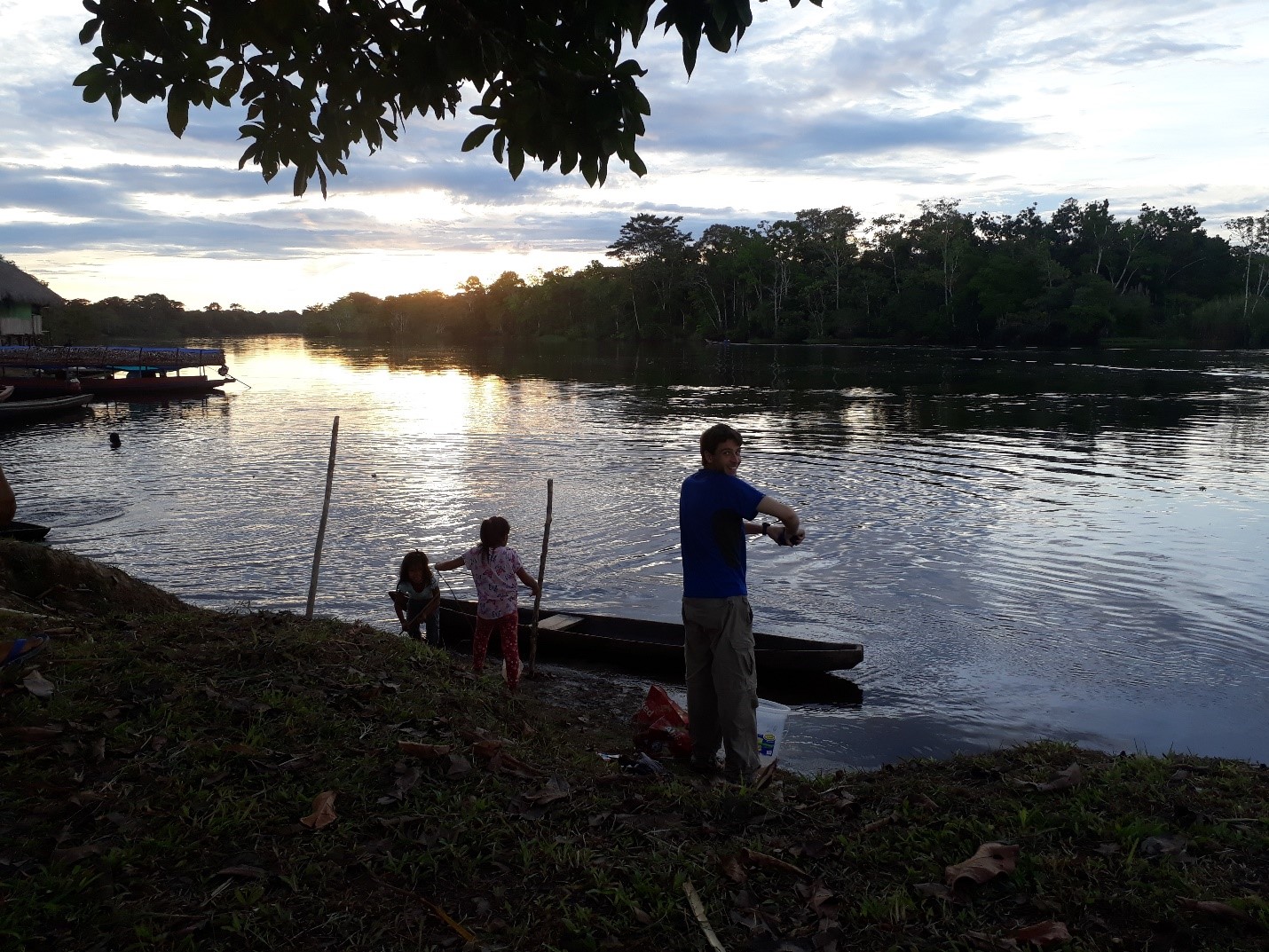
Washing clothes in Veinte de Enero, on the banks of the Yanayacu river, on one of the many fine evenings after coming back from a sweaty day in the swamps.

My focus, along with that of Luis Andueza (fellow St Andrean) and Charlotte Wheeler (Edinburgh), was to investigate how people value the wetland ecosystems of the PMFB.  Luis formed a key part of the social science team, made up of a great bunch of co-investigators and assistants from the Instituto de Investigaciones de la Amazonía Peruana (IIAP).  They spent many hours asking many questions of the members of three communities, Veinte de Enero, Nueva Union and Nueva Pandora, living on the banks of the Yanayacu, Chambira and Tigrillo rivers, respectively.  They, incidentally, drank a variety of liquids during the interviews, to facilitate their social integration with the communities!

Chambira_plot

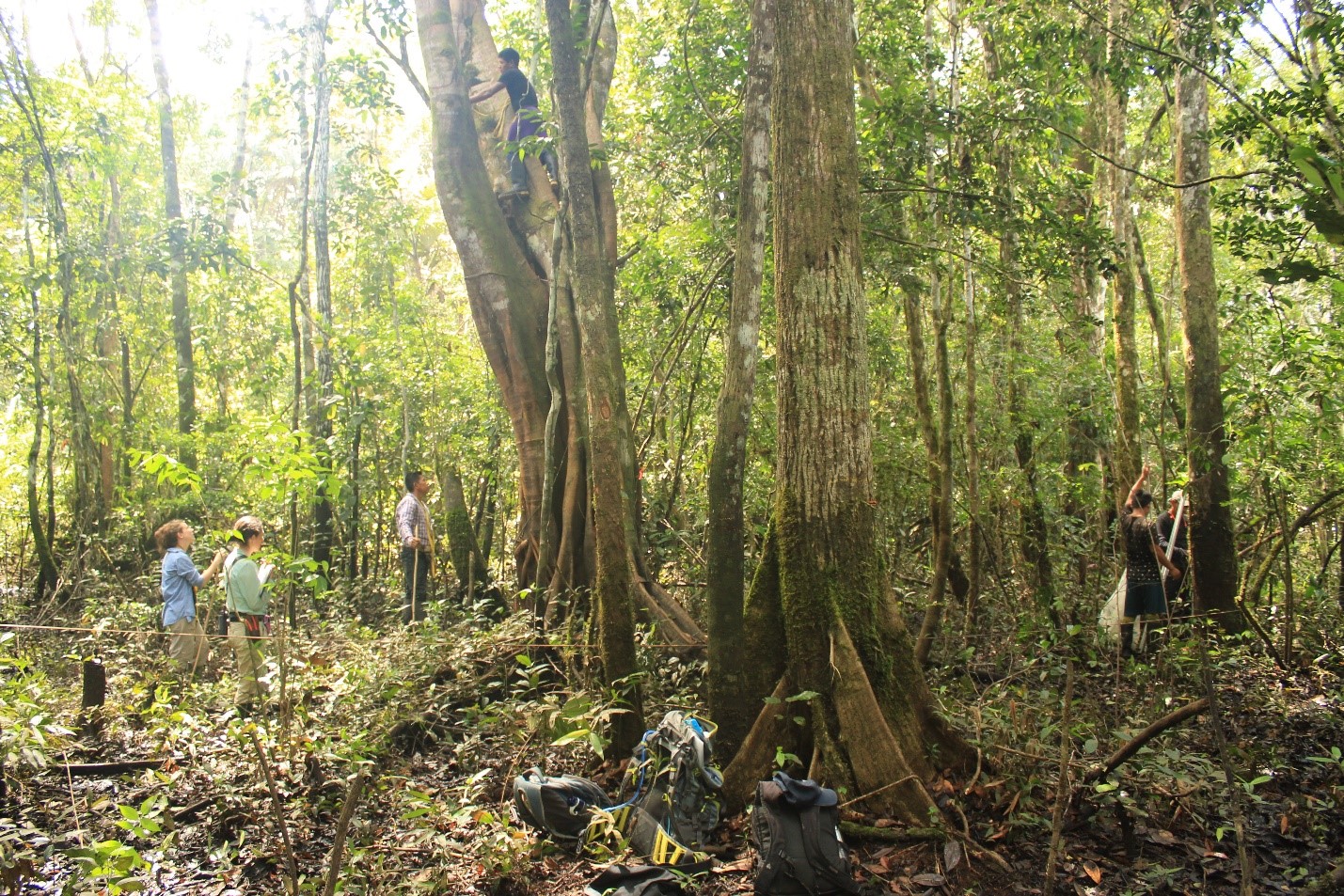
The ecological crew I was with, busy measuring what we measure in a plot.  Spot the agile one up the tree.  Never have I seen such heights scaled so quickly, and with such ease!  (I might need to adapt the Risk Assessment for the next trip, however.)

Concurrently, Charlotte and myself, led by our brilliant botanist, Nállarett, and two courageous Field Assistants, Julio S and Julio I, were out exploring the many ecosystems that surrounded these communities.  Our work was, in essence, a big treasure hunt.  Our mission (that I questioned why I’d chosen to accept at various points of inundation!) was to find the gold – the code-word for peat.  We ventured into the environment surrounding the three communities in order to “ground-truth” information of two sorts: (i) ecosystem types/resource extraction locations marked on participatory maps generated by the communities in workshops run by the social science team, and (ii) maps generated through remote sensing (using Landsat imagery) that depict changes in land cover, with the different ‘covers’ yet to be confidently identified or understood from an ecological perspective.  We spent approximately 20 days cutting our way through swampy forests of all shapes and sizes.  When we came across a new ecosystem type, and felt that we could work at that location for two hours without sinking, we gathered data on various above- and below-ground characteristics.  One of the most challenging plots was half a meter under water, at a location aptly named “31 Devils”.  Thankfully, I’ve had previous experience of snorkelling in bogs.

Now that we’re all back on solid ground, we’re starting to explore all of the ecological and interview data collected from the swamps, to try to understand how people use, and importantly, how they value the wetlands ecosystems of the PMFB, as well as understanding the physical characteristics of these ecosystems from a western scientific perspective.  Our initial findings suggest that there are a whole range of forested wetlands used by these communities, composed of a huge diversity of flora on both peat and non-peatlands, and on a confusing mix of peaty-lands in between.  And, not unsurprisingly, people tend to avoid the deeper, looser, more “sucking”, mosquito-ridden swamps, when and where they can!  Sensible folk.  But we still have much to learn about the nuances of how each community values these carbon-rich, biodiverse and beautiful ecosystems.

Whole_group_Veinte

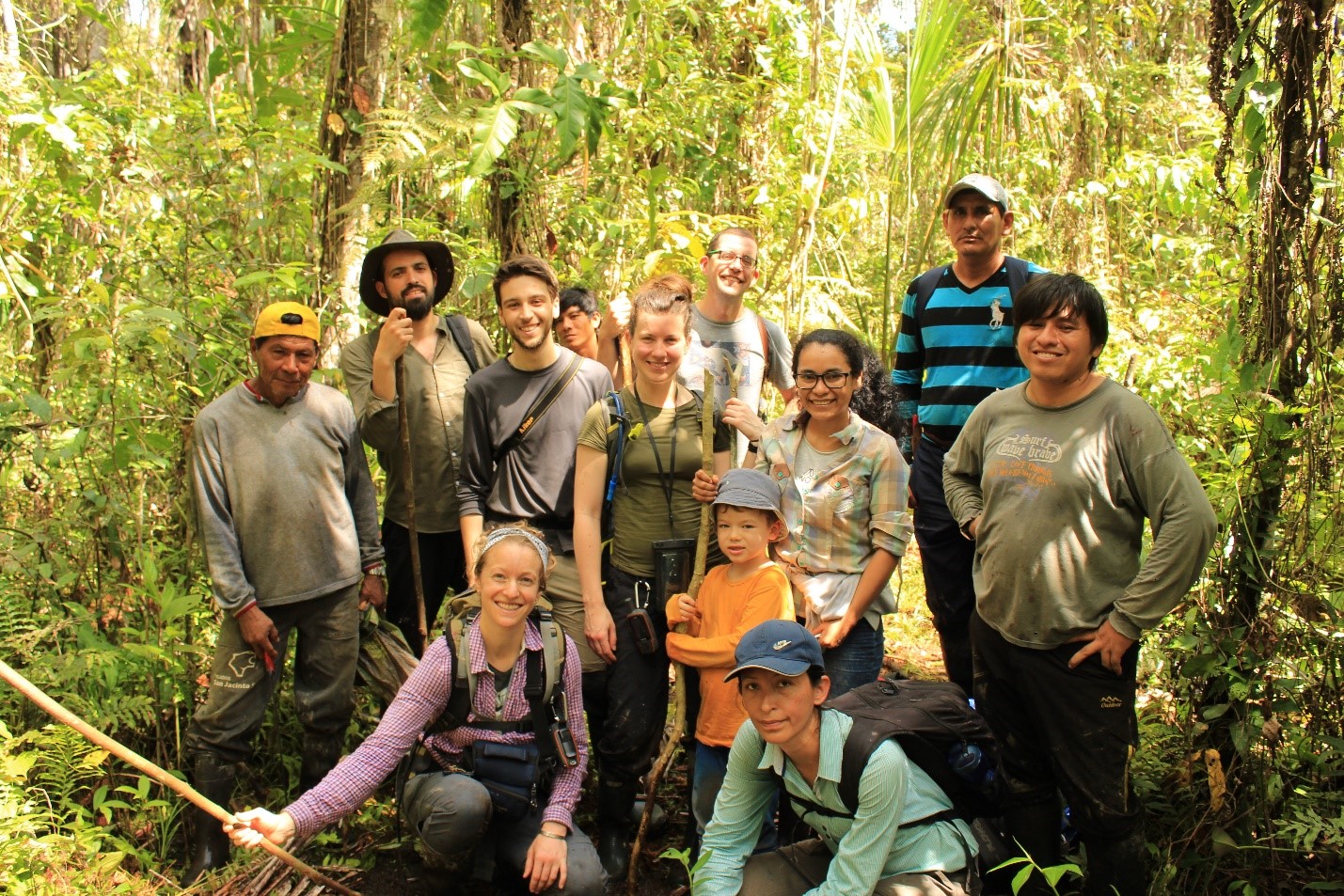
Some of the great team, fresh-faced and smiling at the start of our fieldwork campaign!  (One member of the team may have been carried over the swamps in some parts.  Many other members of the team wished someone would carry them over the swamps in all parts.


Un-CAP the Brexit can….and unleash the worms?

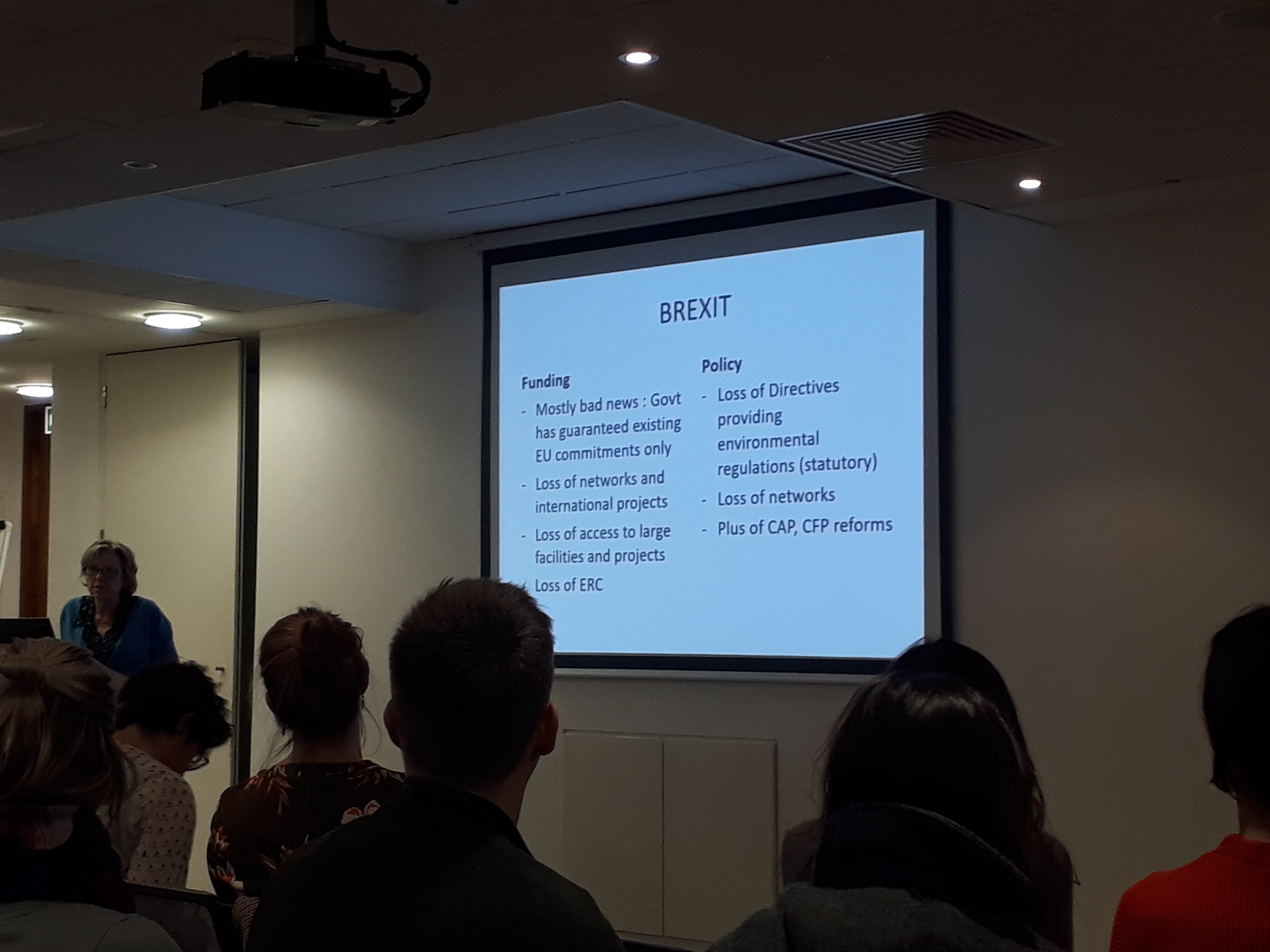
Back in February, the British Ecological Society’s Special Interest Group in Conservation Ecology (which I’m enjoying Chairing) ran a thoroughly interesting event in London on what Brexit might mean to/for early career ecologists.  It was a sell-out, despite concerns of Brexit-fatigue.  And I was so impressed by the level of engagement of those that attended.  It was expertly organised by Dr Andy Suggitt, whom wrote a great piece on the event here.  Kate Howlett has also written this and this piece on the day, which provide another interesting perspective on the event and learnings from it.

20190220_103716

Some wisdom from Dame Georgina Mace, whom herself confessed being pretty baffled by what the future might hold. 

One of the key learnings I took away from the event was concerning the one (ONE) positive outcome that could (COULD) result from Brexit: the ability for the UK to manage their agricultural landscapes independently from the top-down regulation currently dictated by the Common Agricultural Policy.  Leaving the EU would mean we could reform the policies which dictate how we manage the countryside, mostly those rules and structures which presently determine to what degree we degrade our rural environments in the different corners of our green and pleasant island.  “Common” is perhaps a warning sign for any environmental policy, which requires the particularities of the “local” to be central in decision-making if a policy is to stand any chance of being “sustainable”.  But that was never the central aim of the CAP.  Perhaps, if someone does finally make a decision on which direction the UK will go in (before it self-implodes) we can create a nature-focused LAP: a Local Agricultural Policy, which considers the lay of the land, the local livelihoods, and the living biodiversity, above- and below-ground (e.g. our down-trodden worms).

But we only could leave the EU.  And we only could have the bravery and sense in Leadership to listen to the evidence for how to responsibly, perhaps even sustainably manage our countryside and the resources within it.  And if we don’t leave the EU, we could try to reform things from within; building on the important research (e.g.) that is already being done in the UK and Europe on what sustainable agriculture might look like.  We need to hook those scientists up with the policy makers and shapers.  And wouldn’t that be great – to have a leading influence across Europe.  The worms would be proud.

20190131_084119

What does the future hold for our green and pleasant, and depauperate land?

Las turberas de Peru

I learnt a new word this week: turberas.  In about three weeks’ time, I’ll be off to Peru’s turberas.  In case you hadn’t guessed, turberas = peat.  My new gig is on a project entitled Valuing Intact Tropical Peatlands.  I’ll be heading out to Iquitos, a city (inaccessible by road – for better or for worse) within the Peruvian Amazon, which will be the base from where a crew of us researchers will be heading into the swamp forests this side of the Andes.

20190402_121603

Talking shop with the team, at the edge of a bog.

There are still a fair few questions to answer on the exact details of the research and the associated fieldwork that we will be doing, but we made huge head-way this week at our first project meeting.  We were fortunate to have four of our Peru-based colleagues join us (all from the Instituto de Investigaciones Amazonía Peruana) for three and a half days of intense discussions.  And my, it was frazzling.  (I have a new-found respect for the MPs of the UK Parliament after two+ years of what have effectively been intense interdisciplinary discussions.)  This project is the first truly interdisciplinary one I’ve been a part of, i.e. much more than just lip-service is being given to the notion of working together, across disciplines, to answer some multifaceted questions.  I’m re-learning the importance of patience, open-mindedness, clarity, humility and perspective: all immensely valuable skills for any project, and any well-lived life.

I will write more about the project as the days fly by, but at this point, one of the persisting aspects of it (whilst others seem to come and go with the wind!) is that we’re interested in finding out how and why people are interacting with their environment, notably the boggy bits of it.  For me, it’s such an exciting project, and certainly as interesting as it is challenging.  And it’s such a privilege to work with a team of passionate Peruvians, and an engaged UK-based crew, spanning the social and natural sciences.

Watch this space for more reflections on working interdisciplinarily (a word? – probably in the social sciences), and for news on how I fare in a real-life intact peat swamp.  A rare and wonderful space these days.